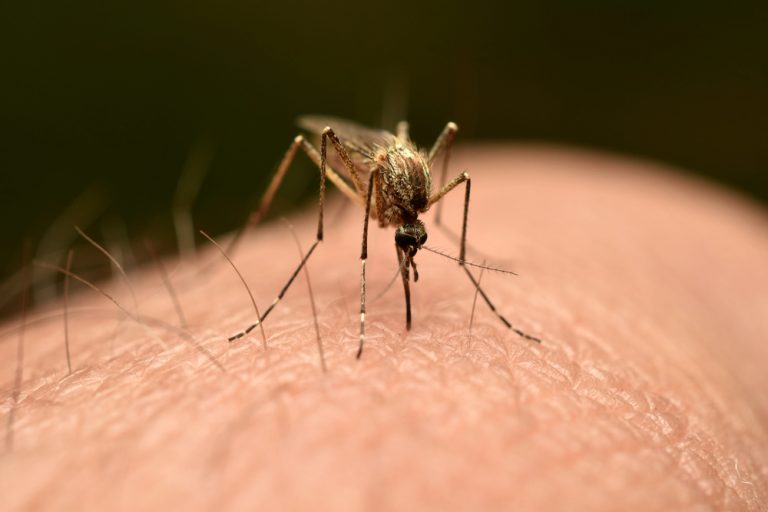
Mosquitoes and West Nile Virus in Oklahoma: Tulsa and OKC Yard Guide
Oklahoma has more than 60 species of mosquitoes, according to the Oklahoma State Department of Health. Most of them are just annoying. A few carry disease, and the one that matters most here is West Nile virus. Knowing which mosquitoes carry it, and when, changes how you protect your family. So does knowing what the Tulsa and Oklahoma City health departments already do, and what you can fix in your own yard in an afternoon.
Floodwater mosquitoes vs. the ones that carry West Nile
After a big spring storm, Oklahoma yards can fill with aggressive, biting mosquitoes almost overnight. OSDH calls these “nuisance mosquitoes.” They hatch after flooding, bite hard and leave plenty of itchy welts, but they aren’t typically involved in spreading disease. OSDH says floodwater mosquito populations tend to die off about three weeks after the rain stops and low areas dry out.
The West Nile problem comes from a different group. Culex mosquitoes are the main carrier of West Nile virus in Oklahoma. They pick up the virus by feeding on infected birds, then pass it to people, horses and some other mammals. According to OSDH, Culex numbers climb in mid to late summer when it’s hot and drier. Past West Nile outbreaks in Oklahoma came during summers that were hotter than normal and in drought.
So the mosquito surge after a wet May and the West Nile risk in August are often two different mosquitoes. A dry, hot stretch is not a reason to relax.
When the risk is highest
OSDH says Oklahomans are at the greatest risk of exposure to infected mosquitoes from July through October. The mosquitoes that carry West Nile are most active from early evening through early morning, dusk to dawn. That’s when evening yard work, ballgames and patio dinners overlap with peak biting.
Who gets sick
Most people who get West Nile never know it. OSDH says about 8 out of 10 infected people have no symptoms at all. When people do get sick, common symptoms include fever, headache, body aches, joint pain, vomiting, diarrhea or rash. Fatigue and weakness can hang on for weeks or months. In more severe cases the virus causes meningitis or other neurological illness. Anyone can get seriously ill, but OSDH says people over 50 are at greater risk of the severe, nervous-system form.
If you or someone in your family gets a sudden high fever and severe headache during mosquito season, see a doctor and mention the mosquito bites.
What Tulsa and Oklahoma City health departments do
Tulsa County
The Tulsa Health Department runs a mosquito surveillance program across Tulsa County. Traps go out at locations around the county, starting in late April or May, and the samples are tested every week for West Nile virus. When a trap comes back positive, THD’s vector control team evaluates the area for targeted spraying, usually after sunset with truck-mounted foggers. In a 2025 release, THD said it notifies affected neighborhoods through Nextdoor before spraying. Tulsa County residents, including Broken Arrow, can request a mosquito surveillance inspection or report standing water through the THD pest control page. A trap may even be set at your house.
Oklahoma City and Oklahoma County
In the OKC metro, the Oklahoma City-County Health Department publishes mosquito information and bite-prevention tips under its Fight the Bite program. Residents of Edmond, Norman and Moore can also follow statewide case updates from OSDH, which tracks West Nile as a reportable disease.
Cutting mosquitoes in your own yard
Mosquitoes lay eggs in standing water, and a lot of it is sitting in ordinary yards. OSDH and the Tulsa Health Department both start with the same list:
- Don’t let buckets, cans, tarps, pool covers, flower pots, toys and old tires hold water.
- Empty and refill an outdoor pet’s water bowl every day.
- Rinse, scrub and refill birdbaths at least once a week. A 2024 OSDH release went further and said every three days.
- Empty plastic wading pools every week, and store them indoors when you’re not using them.
- If you collect rainwater, keep the barrel covered and sealed when you’re not filling it.
- Clean leaves out of gutters so they don’t hold water.
- Check inverted grill lids, plant saucers, boats and tire swings. THD’s vector control coordinator lists several of these by name.
- Keep grass, weeds and shrubs trimmed so adult mosquitoes have fewer shady places to rest.
For water you can’t drain, like an ornamental pond, OSDH recommends treating it with a mosquito larvicide. Follow the label.
The OSDH fact sheet makes one more point worth passing on: mosquitoes don’t care about fences. If your neighbor’s yard is full of standing water, cleaning up yours only goes so far. Neighborhood clean-up days help.
A quick yard walk after it rains
The easiest habit to build is a short walk around the house a day or two after a good rain. Start at the downspouts and follow where the water goes. A low spot that holds a puddle for a week is a nursery. Flip over the kids’ wagon and the sandbox lid. Check the tarp over the boat or the woodpile, because folds in a tarp hold more water than you’d think. Look in the saucers under potted plants on the porch, and check the plants you brought inside for the winter. OSDH’s list includes indoor saucers too.
Leaky hose bibs are another one. OSDH’s prevention flyer calls out puddles around leaky outside hoses and rot holes in trees as breeding spots. Both are easy to miss and easy to fix.
Protecting yourself and your kids
OSDH recommends EPA-registered repellents with one of these active ingredients:
- DEET (OSDH mentions products in the 10% to 30% range)
- Picaridin
- IR3535
- Oil of lemon eucalyptus (OLE) or para-menthane-diol (PMD)
- 2-undecanone
A few rules from the OSDH mosquito-prevention fact sheet:
- Follow the label, and reapply as directed.
- If you’re also wearing sunscreen, put sunscreen on first and repellent second.
- Don’t spray repellent on skin under clothing.
- Don’t use OLE or PMD products on children under 3.
- On kids, don’t put repellent on their hands, eyes, mouth, cuts or irritated skin. Spray it on your own hands and apply it to their face.
- Permethrin is for clothing and gear only, never skin. Treated clothing keeps working through several washes.
- Repair holes in window and door screens.
OSDH also notes that nobody really knows how well repellents that aren’t EPA-registered work, including many “natural” products. If you’re choosing one for a family that spends summer evenings outside, pick a registered product.
Yard spraying
Some homeowners hire a company to spray shrubs and shady resting spots in the yard. Treat that as an add-on, not a substitute for dumping standing water. THD’s own program works the same way: surveillance and larvicide first, spraying when the data calls for it. In Oklahoma, anyone spraying your yard for pay has to be licensed by the Oklahoma Department of Agriculture, Food and Forestry.
BugDaddyOK is an Oklahoma pest information blog connected to Flatline Pest Control, a licensed Oklahoma company that offers mosquito treatment. If you hire anyone, ask what product they use, how often they come back, and whether they’ll point out breeding spots on your property.
Related Oklahoma pest guides
- Brown recluse and black widow spiders in Oklahoma
- Ants in Oklahoma homes, including fire ants
- Termites in Oklahoma City and Tulsa
Sources: Oklahoma State Department of Health, West Nile Virus and Mosquito Borne Disease Prevention; Tulsa Health Department, Pest Control; OSDH, Remember the 4 Ds.