Can Bed Bugs Live Outside In Grass? Facts And Prevention
Short answer: Bed bugs can survive outdoors briefly, but grass is not a viable long-term habitat.
This article explains why outdoor survival is limited, where bed bugs may hide outside, how long they can survive, and how to prevent outdoor-to-indoor transfer.
Introduction to Bed Bugs
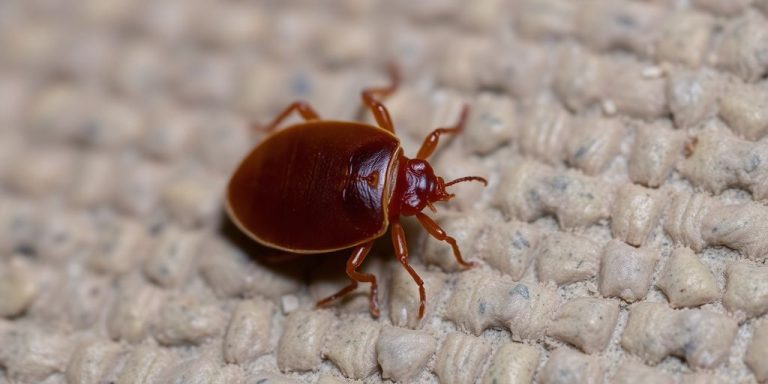
Bed bugs are persistent pests that have evolved to thrive in close proximity to humans, relying on human blood as their primary food source. While bed bugs prefer to live inside homes—nestled in the cracks of upholstered furniture, mattresses, and even patio furniture; they are sometimes found outdoors. The question of whether bed bugs live outside is common, and the answer is that while bed bugs can survive outdoors for a limited time, they do not establish long-term populations in grass or open environments. Products on Amazon here
This article is intended for homeowners, renters, and anyone concerned about bed bug prevention indoors and outdoors.
Bed bugs often end up outside when infested furniture, mattresses, or other items are discarded, or when they hitch a ride on clothing, bags, or pets. Outdoor bed bugs may seek shelter in places like rattan furniture, storage units, or the seams of outdoor cushions, using these hiding spots to stay protected from the elements. However, bed bugs live outdoors only temporarily; without regular access to a blood meal, they will eventually die. Unlike indoors, where bed bugs can stay close to their hosts and find reliable hiding places, the outdoors exposes them to harsh weather, predators, and a lack of food.
Natural predators such as pharaoh ants, spiders, and lizards may feed on bed bugs outside, but these natural enemies are not a reliable means of controlling a bed bug infestation. The best way to prevent bed bugs from invading your home is to be cautious with second hand furniture and infested items. Always inspect used furniture, mattresses, and storage unit contents for signs of bed bugs before bringing them inside. Wash clothes and bags after travel, and seal cracks in walls and furniture to eliminate potential hiding spots. Using mattress encasements can also help prevent bed bugs from establishing themselves indoors.
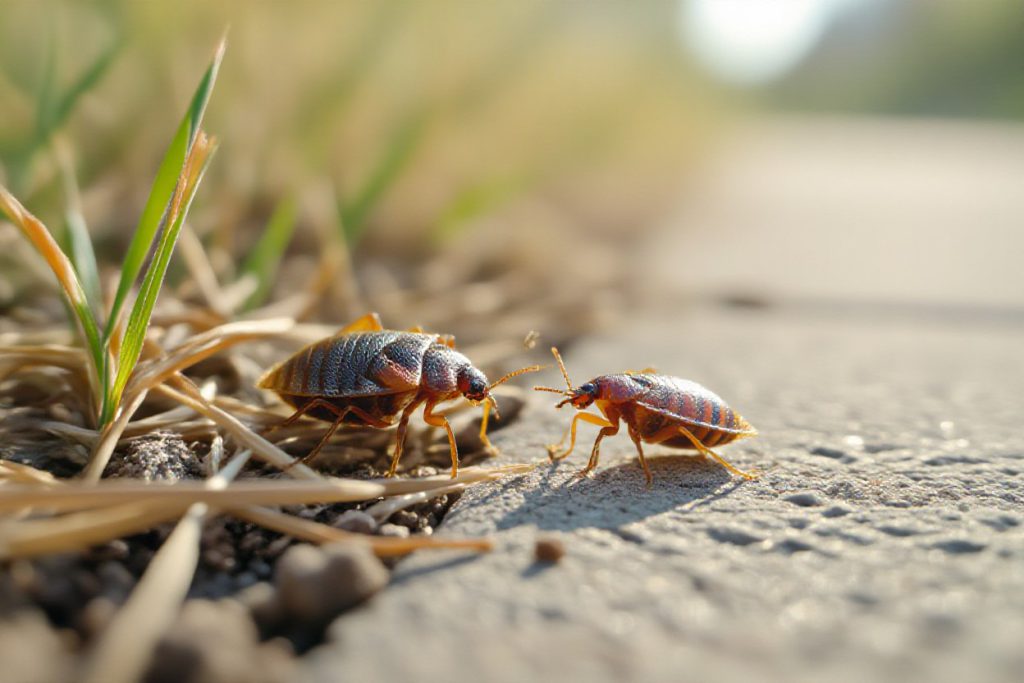
Understanding how bed bugs live and survive both indoors and outdoors is crucial for effective prevention. In the following sections, we’ll explore how far bed bugs can travel outside, what types of outdoor furniture and structures can harbor them, and the best strategies to keep your home bed bug-free.
Quick Answer: Do Bed Bugs Live Outside Or In Grass
Bed bugs can survive outdoors temporarily, but they do not live or reproduce in grass long-term.
They strongly prefer indoor environments close to human hosts.
Seeing bed bugs outdoors often signals a nearby indoor infestation or hitchhiking from furniture, vehicles, or discarded items.
How Bed Bugs Live Outdoors
Bed bugs are biologically adapted for indoor living where temperatures are stable and hosts are nearby.
Indoor preference for warm shelter
They rely on protected crevices, stable temperatures, and consistent access to blood meals, conditions typically found indoors.
Why grass is unsuitable habitat
Grass provides no shelter, no stable temperature, and no reliable host access. Exposure makes survival unlikely.
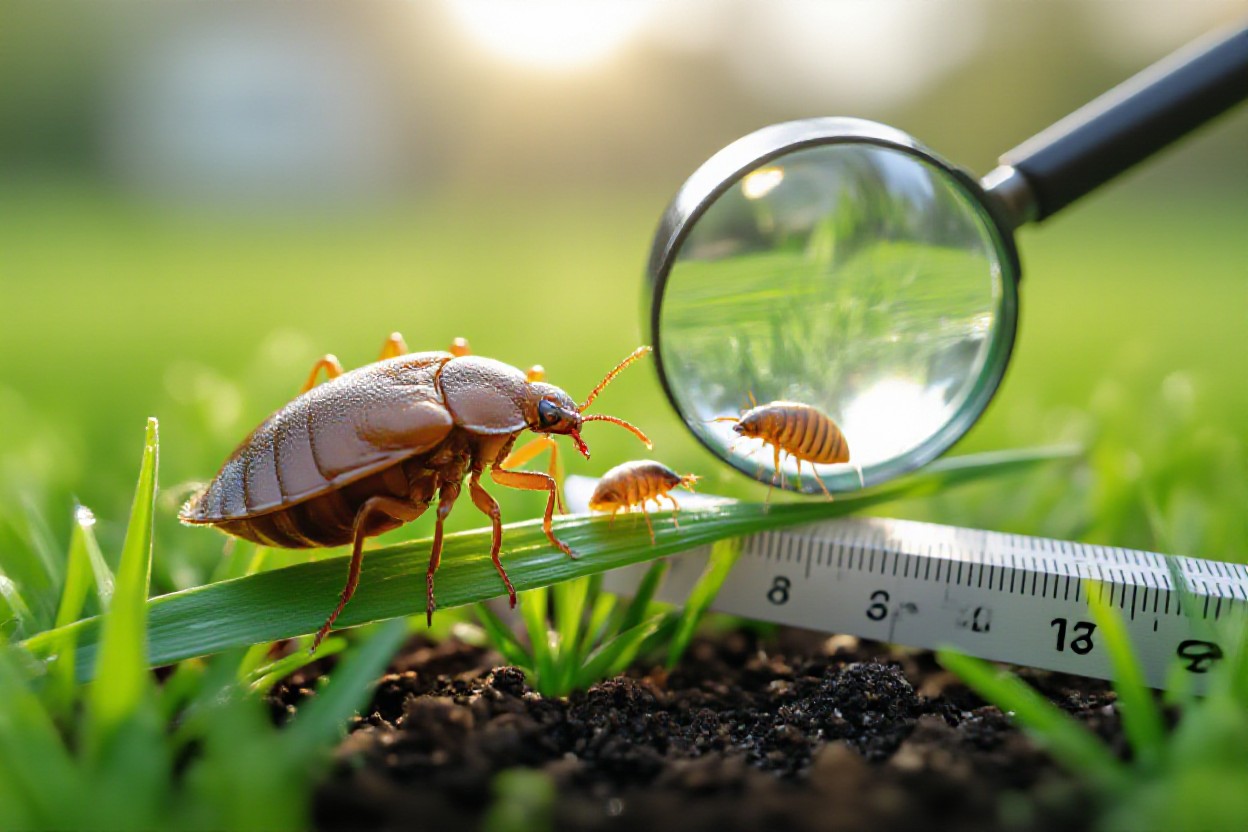
Bed bugs do not thrive in open, moist areas like grass, do not hide in grass or bushes, and cannot live, breed, or thrive in grass or soil. Bed bugs will avoid hiding in grass, preferring dark, warm, secluded places nearby their food source.
Structures near human activity
When found outside, bed bugs are usually hiding in man-made structures near people, not in open soil or turf.
Where Bed Bugs Hide Outside (bugs live outside)
Bed bugs found outdoors typically originate from nearby infested items or structures.
- Patio and porch furniture, especially cushions and seams
- Discarded mattresses, box springs, and upholstered furniture
- Woodpiles, storage clutter, and outdoor sheds
- Vehicle interiors, campers, RVs, and storage compartments
- Pet’s bed and outdoor pet bedding
- Fences, pergolas, and other outdoor structures
- Hard surfaces such as outdoor furniture frames and storage units near the lawn
These locations provide temporary shelter and host proximity. Bed bugs do not hide in grass or bushes; instead, they prefer dark, warm, and secluded places such as outdoor furniture, woodpiles, and clutter near the lawn.
How Long Bed Bugs Survive Outdoors (bed bugs survive)
Outdoor survival depends on food access, temperature, humidity, and shelter.
Bed bugs can survive outdoors for up to four months without food in warm conditions, and up to a year in colder environments because their metabolism slows. They can survive for a very long time without food by entering a state of suspended activity. Without a host, bed bugs may survive weeks to a few months, but environmental exposure drastically shortens lifespan.
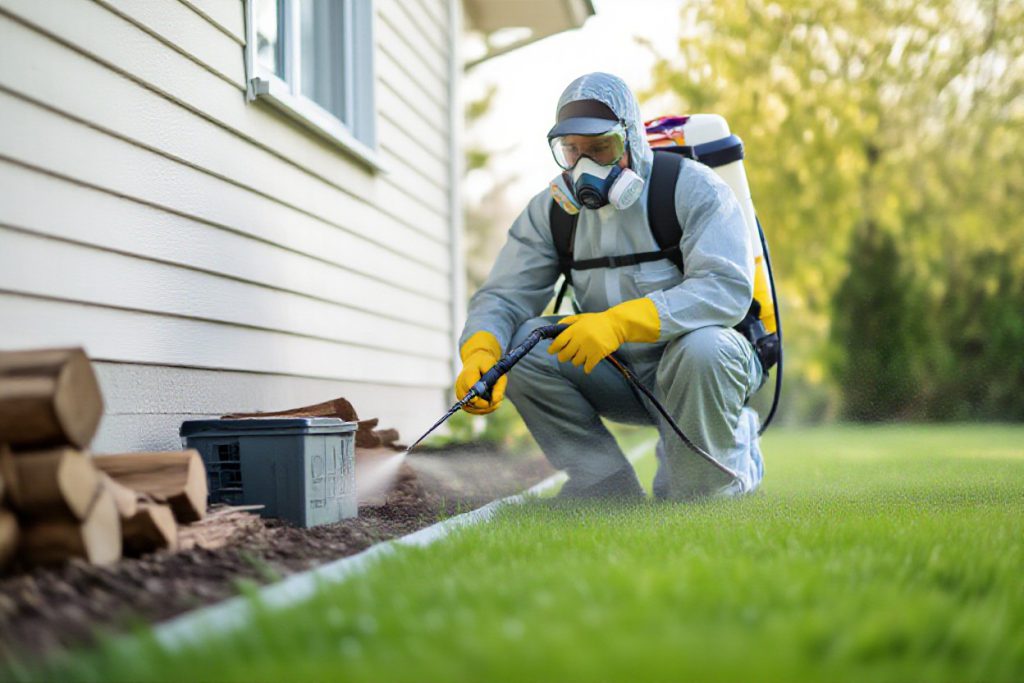
Food And Starvation (bed bugs live)
Bed bugs can survive several months without feeding under ideal indoor conditions.
Cold temperatures can extend starvation survival, while heat and dryness shorten it significantly outdoors.
Natural Enemies Of Bed Bugs (natural enemies)
- Pharaoh ants may prey on exposed bed bugs
- Spiders, lizards, and cockroaches may consume them opportunistically, as these animals are natural predators of bed bugs outdoors
- Bed bugs are insects, and unlike other pests such as fleas and ticks, they are not adapted to feed on animals and primarily rely on human blood
- Natural predators rarely control populations effectively
Predation contributes to mortality but does not eliminate infestations.
Weather Effects On Survival
Heavy rain and standing waterRain can drown bed bugs and wash them from hiding areas. Bed bugs will not survive in water for long, and rain poses a danger to their lives.
Extreme heatDirect sunlight and high temperatures rapidly dehydrate and kill bed bugs. Bed bugs can struggle with extreme heat, and temperatures above 49°C can kill them.
Extreme coldProlonged exposure below survival thresholds causes mortality, especially without shelter. In cold temperatures, bed bugs’ metabolism slows, allowing them to survive longer without food, but temperatures below -18°C are lethal.
Outdoor weather conditions are hostile to bed bug survival.
How Bed Bugs Travel Outdoors (bed bugs travel)
- Hitchhike on clothing, bags, furniture, and equipment
- Walk large distances, up to 20 feet per night, when searching for a host
- Move via gardening tools, vehicles, and storage items
- Spread through public transportation and by staying at friends’ houses
Bed bugs use cues like carbon dioxide and heat to locate potential hosts, which can help them travel between properties.
Outdoor sightings usually result from accidental transport.
Signs Of A Bed Bug Infestation From Outdoors (bed bug infestation)
- Fecal stains or shed skins on outdoor furniture and cushions
- Clustered or linear itchy bites on people or pets
- Evidence found on secondhand or stored outdoor items
Inspect outdoor cushions and any used items carefully.
Preventing Bed Bug Infestation From Outdoor Sources
- Inspect second hand items, especially outdoor furniture, before bringing them inside to prevent bed bug infestations.
- Keep clutter to a minimum in outdoor buildings and storage rooms to reduce the risk of bed bug and other pest infestations.
- Vacuum patio cushions and crevices regularly
- Heat-treat or launder textiles after potential exposure
- Seal gaps and weatherstrip doors and entry points
- Coordinate prevention efforts with neighbors when needed
- Remember, bed bugs are very difficult to fully get rid of, and professional help may be necessary to treat an infestation, especially if other pests are present.
Prevention focuses on stopping transfer, not treating grass.
Treating Outdoor Bed Bugs And When To Call Professionals
- Request professional inspection if outdoor sources are suspected
- Use targeted insecticidal treatment for persistent outdoor hiding spots
- Apply heat treatment to vehicles and storage areas when practical
- Never throw out contaminated furniture without treating it first, as this could spread the problem elsewhere
Improper disposal increases spread risk. Bed bugs are very difficult to fully get rid of, and working with a professional is often necessary to successfully rid your property of these pests.
Summary And Key Takeaways
- Bed bugs can survive outdoors briefly but cannot live in grass long-term
- Outdoor sightings usually indicate nearby indoor infestation or hitchhiking
- Inspection, sanitation, and controlled handling of outdoor items are key
- Contact a licensed pest control professional for confirmed infestations