Dead Mouse Under Fridge: What To Do?
A dead mouse under the refrigerator is a big problem in houses. Sometimes, you may even find mice that are still alive under or behind the fridge, not just dead ones. So, you should know that you can remove the dead mouse from under the refrigerator by using a vacuum cleaner.
If you’re sick and tired of cleaning out your refrigerator every time you open it, there’s a solution—and it’s called “mouse trap.” But before you go out and buy a bunch of mouse traps, there are several things you should know. First, there are two types of traps you can buy. Some traps only kill mice; others kill mice and other critters. These traps can also be used for rats, and it’s important to check all points of entry around the fridge for signs of damage or access. And, of course, some of the traps use poisons or toxic chemicals.
Can mice live under fridge?
If you thought that rodents couldn’t live under your refrigerator, think again. As it turns out, there are some very clever rodents living inside refrigerators, too. They’ve figured out how to open doors, get into things, pull out things, and make things disappear. They like to live in damp areas and love to hide under things. Sometimes, larger animals like rats or even a larger animal can also find their way behind or under appliances, causing even stronger odors. But don’t expect them to come out and play with you. It would be nice if you can get rid of them, but if you can’t, you should leave them alone.
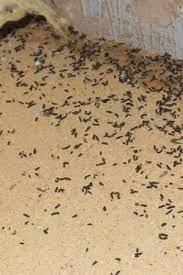
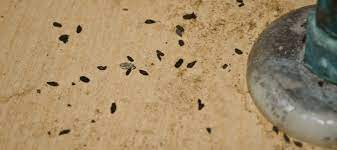
Some mice are so afraid of human feet that they hide under refrigerators. There are tell-tale signs that mice have invaded your fridge. Among these are mice droppings, which are short and brown in color, though darkening can indicate how long they have been there. Most of them don’t like it when they have to go outside in order to survive. But they don’t mind when they stay under a refrigerator. They can find many things to eat and drink. They can get into the water in the refrigerator and they can also get some food that’s stored there. The mice figured it out and started using the hotplate as a quick route out of danger. Freezers, as well as refrigerators, can sometimes harbor hidden rodents or their remains, leading to persistent odors. To avoid injury, the researchers suggest that people give mice some space before opening a refrigerator door.
we recommend first trying to trap the mice in the open with a mouse trap or other device so that it doesn’t just end up eating the poison bate and then die behind the wall. you can also use glue traps for killing mice.
A mouse can survive in a refrigerator. Mice can live in places where they cannot normally be found. There are some reasons why they stay in refrigerators. First, they feel safe in them. They are used to living in a cold environment. In addition, the food in the refrigerator gives them the energy to live. If you want to keep mice out of your house, you can put your kitchen cupboards on the top shelf.
When cleaning up after mice, always wear gloves and a mask, and use a bleach solution (such as one part bleach to nine parts water) to disinfect any areas where mice, their droppings, or remains have been found.
Identifying Dead Mice
If you’ve noticed a strong, pungent smell in your kitchen or a horrible odor wafting from under the fridge, you might be dealing with dead mice. The dead mouse smell is unmistakable—often described as a musty, rotten stench that can quickly fill an entire room. Besides the odor, look for other signs like mice droppings or urine stains around the fridge, walls, or floor. Sometimes, you might spot a dead mouse inside appliances or tucked away in dark corners.
When searching for the source of the smell, always wear gloves and a mask to protect yourself from diseases that rodents can carry. If you’re actively killing mice with glue traps or other methods, be sure to check traps regularly and dispose of any dead rodents promptly. Leaving a dead mouse inside your home will only make the smell worse and can attract more pests. Remember, identifying dead mice quickly is the first step to eliminating the odor and preventing a bigger mouse problem.
The Dangers of Dead Rodent Carcasses
Finding dead mice or a dead rodent in your home is more than just an unpleasant experience—it can be a serious health hazard. The dead mouse smell is often a warning sign that bacteria are multiplying, and these germs can spread disease to both humans and pets. Rodents are known to carry diseases like hantavirus and leptospirosis, which can be transmitted through direct contact or even through the air when cleaning up after them.
If you’ve found dead mice, always use gloves or a plastic bag to handle the carcass, and never touch it with bare hands. After removal, use an odor eliminator to get rid of the lingering bad smell and thoroughly clean the area to eliminate any remaining bacteria. Taking these steps will help you get rid of the dead mouse smell and reduce the risk of illness. Don’t ignore the odor—eliminate the source and take action to prevent future infestations.
How long does it take for a dead mouse to stop smelling?
If you leave a dead mouse under the fridge or somewhere, it will start to smell after about 24 hours. However, if you put it in some form of preservatives, such as alcohol or salt, it will start to smell right away. This is an example of decay. A decaying animal is known as a corpse. You can even use these to help safely eliminate the horrible smell of dead mice. While baking soda is sometimes used to absorb odors, activated charcoal is often more effective at removing stubborn dead animal odors because it naturally adsorbs and neutralizes them without chemicals. Activated charcoal products are especially useful for neutralizing odors from dead animal matter, whether it’s a mouse, rat, or other rodent.
All corpses have a sweet odor. It’s not unpleasant. Most people have a fear of death because we think that our bodies will decompose. However, the truth is that all of us die, but we don’t rot. The body eventually decomposes, but it takes a very long time. In the case of a rotting corpse, the smell of it is strong, and the odor can last for a long time. The matter left behind by a dead mouse or rat is often the main source of lingering odors, and using odor absorbers like charcoal can help eliminate these smells. Food hides in its grooves and crevices and spoil, resulting in a bad smell. Clean the seal thoroughly using a disinfectant.

You can even use these to help safely eliminate the horrible smell of dead mice. It’s that time of the year and dead mouse odor behind a wall or in the vent and closets are a very common problem that we can help with. Dead mouse or other rodent odor is tricky because you often never really know where exactly the mouse is and you certainly do not want to start drilling holes in the wall, crawl space, or vent
A mouse’s sense of smell is so sensitive that a small piece of fur is enough to produce an odor, which is why dead mice can still smell. Usually, it takes about a week for the smell to disappear. However, some chemicals can make the smell last longer. Due to the pungent smell, it’s likely that even after removing the decaying rodent, there will be remnants of the overpowering, musty smell in the air. For example, if a dead mouse is buried in soil, it can smell for up to three months. On the other hand, some animals can get rid of the smell faster. The quickest way to get rid of a dead mouse smell is to put it in a plastic bag and throw it away.
How long does it take for a dead mouse to rot?
As soon as the mouse dies, it starts decaying into a puddle of goo. The mouse will start decomposing in about seven days. A dead mouse is a terrible thing to find under the house. People who find a dead mouse under the house must remove it as soon as possible to prevent flies and maggots from getting into the mouse’s corpse. In a week or so, the mouse will become a rotten mess and can be discarded.
The time needed to decompose a dead mouse varies depending on many factors, but most of the time, the average-sized dead mouse will be completely rotten after three days. Smaller mice will rot faster than larger ones. So, you might want to leave it a few days longer than three. There is nothing worse than seeing the sight of mouse droppings near a fridge. If you can’t get rid of the Dead rodent under the fridge or anywhere in the house, your best bet is to either wait out the smell (it won’t last forever) or try the odor eliminator. However, if you are looking for a way to get rid of dead mice quickly, you can try placing some old newspapers over the spot where you buried the mouse. A dead mouse doesn’t decompose that fast because it needs time to get the bacteria and other germs to work on it. It should be enough to prevent any smell. Just be careful, though, because if you place newspapers over the hole too early, you may just cause an odor that you don’t want to smell.
For more information or to purchase products specifically designed to neutralize dead mouse odors, visit the official site of a reputable odor eliminator brand.
Why do mice hide under the fridge?
Mice don’t really live in houses and homes. They live in the dark and in the shadows of the house. Mice are afraid of the light because it can make them lose their night vision. They stay in the shadows to protect themselves from the light. Sometimes they will climb inside the refrigerator to hide. Some mice will eat the food inside the refrigerator. But it’s not good to eat too much, because they can become obese. They also get cold inside the refrigerator and they need to go outside to get warm.
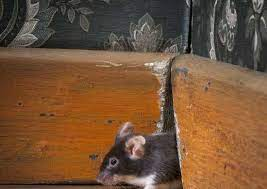
Some mice prefer to hide under the refrigerator. They feel safe there and they are happy. However, the problem with them hiding under the refrigerator is that they are likely to get stuck and that could lead to some serious injuries. If you want to prevent them from getting hurt, you should keep your fridge clean so that they can’t hide under it. They should be able to roam around your house freely. You should also keep your house as clean as possible. It will be much better for the mice to live in a clean house. A clean house makes them feel more comfortable and that means less risk of injury.
Health Risks
Dead mice and rodents aren’t just a nuisance—they can pose real health risks to you and your family. Rodents can carry diseases that spread through their droppings, urine, or saliva, and the dead mouse smell can make respiratory problems like asthma or allergies even worse. Bacteria and germs thrive on dead rodent carcasses, increasing the risk of infections and illness if not handled properly.
Whenever you’re dealing with dead mice, always use protective gear like gloves and a mask, and wash your hands thoroughly after handling traps or cleaning up droppings. If you start to feel unwell—such as developing a fever, headache, or trouble breathing—after exposure to a dead mouse, seek medical help right away. The best way to protect your health is to prevent mice from entering your home in the first place. Use mouse traps, practice thorough cleaning, and consider professional pest control if you have a recurring problem.
Steps to Prevent Future Infestations
Preventing mice from coming back is the best way to avoid the dead mouse smell and the health risks that come with rodents. Start by sealing all entry points—look for holes or gaps around your fridge, kitchen counter, doors, windows, and pipes. Use steel wool or sealing foam to block these spots, as mice can squeeze through even the smallest openings.
Keep your kitchen clean by storing food in airtight containers and cleaning up food spills or crumbs right away. Regularly sweep and mop the floor, and don’t forget to check behind and underneath appliances for hidden messes. Set up mouse traps or glue traps in areas where you’ve seen droppings or signs of mice, and check them often.
Deep cleaning and regular inspections are key to keeping your home rodent-free. If you spot any signs of a mouse problem, act quickly to eliminate it before it gets worse. By following these steps, you can prevent mice from moving in, get rid of bad smells, and keep your family safe from the dangers of dead rodents.