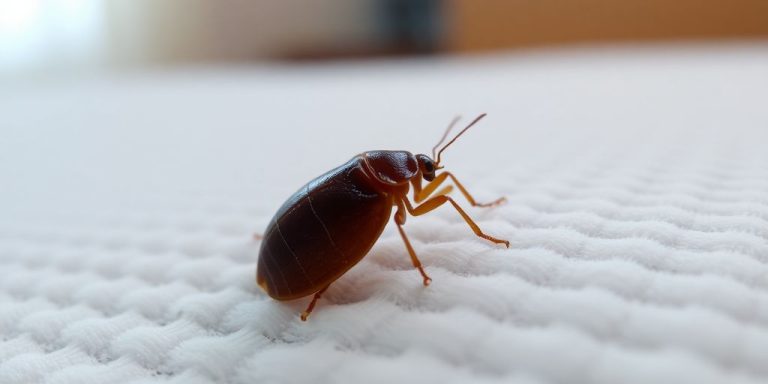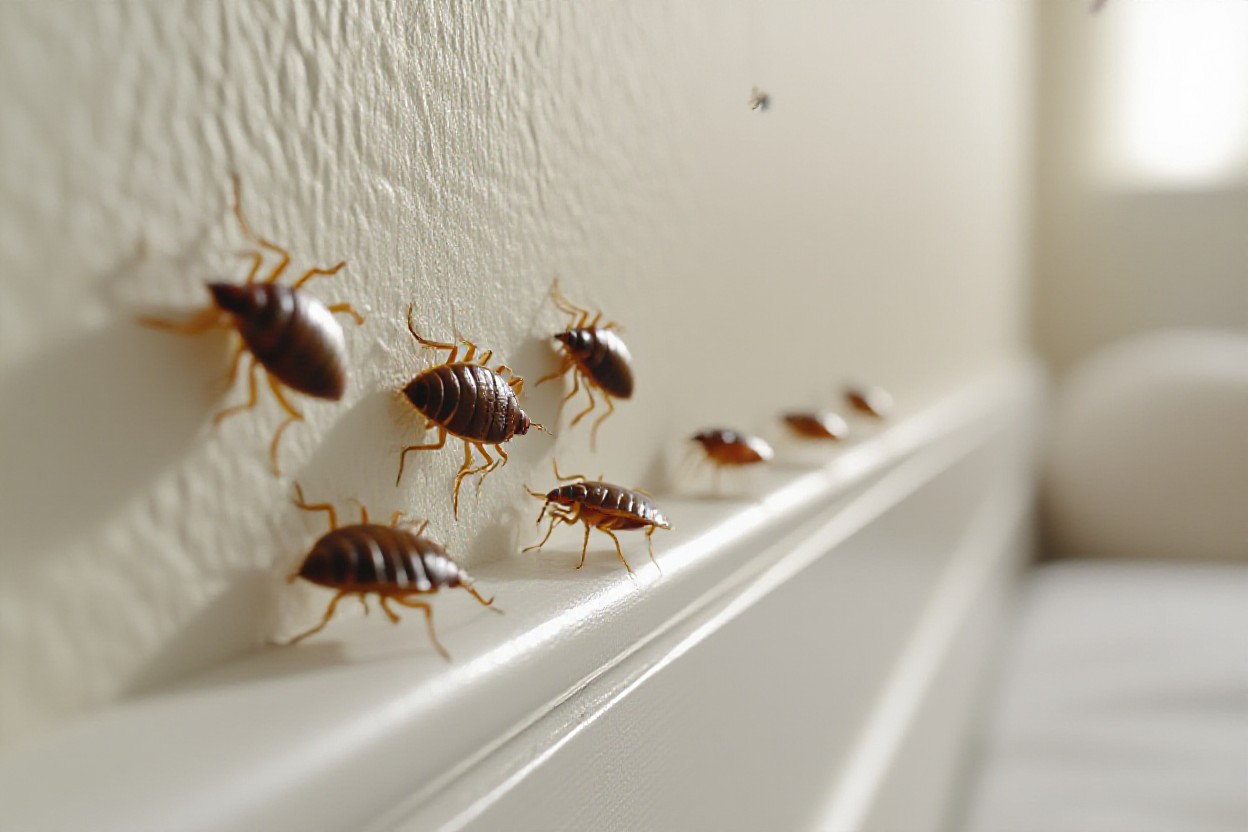
Do bed bugs crawl on walls during the day?
Yes, but it is not typical behavior.
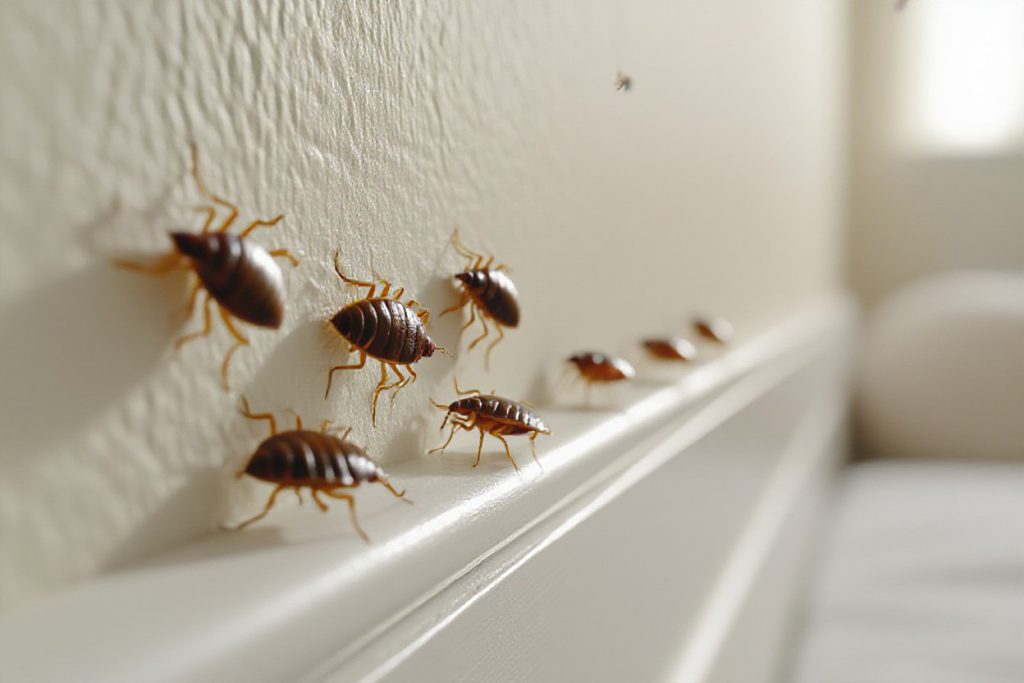
Bed bugs are primarily nocturnal and avoid light, but they may crawl on walls during the day when their hiding areas are disturbed, when infestations are severe, or when hunger overrides their natural light avoidance. Bed bugs are tiny, flightless creatures that feed on human and animal blood to survive. They cannot fly or jump, relying solely on crawling to move between hiding spots and their food source—humans. Daytime wall activity is usually a warning sign rather than normal movement.
Under normal conditions, bed bugs remain hidden during daylight hours and emerge at night to feed. Bed bugs have keen instincts and know to stay out of view when humans are awake, which is why daytime wall crawling is unusual. Daytime wall crawling almost always indicates disruption or population pressure.
Bed bugs can crawl on walls, baseboards, and ceilings, and may even drop onto beds from above.
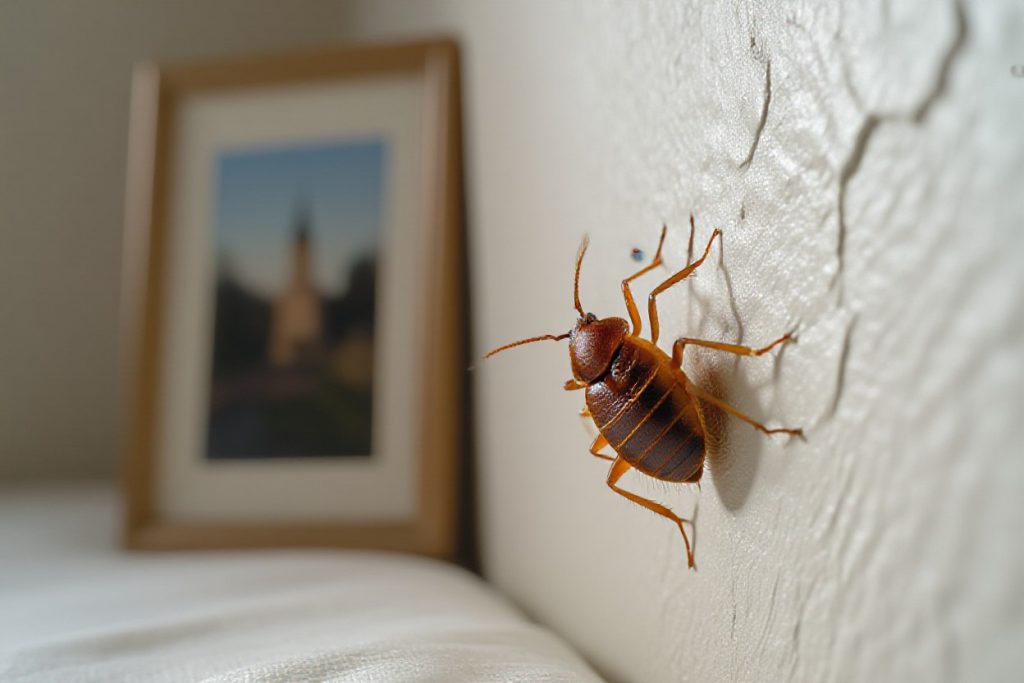
Introduction to Bed Bugs
Bed bugs are tiny, reddish brown insects that feed on human blood, often leaving behind itchy bites and restless nights. A bed bug infestation can quickly become a major problem in any home, as these pests are experts at hiding in the smallest and most unexpected places. Early detection is key—finding bed bugs before they spread makes pest control much more effective.
To find bed bugs, it’s important to know where they like to hide. Bed bugs prefer tight spaces close to where people sleep, such as mattress seams, bed frames, and nearby furniture. They can also squeeze into dresser drawers, behind picture frames, inside loose wallpaper, and even in wall outlets or cracks in wooden furniture. Because of their tiny size and elusive nature, a thorough inspection of all potential hiding spots is essential.
If you suspect a bed bug problem, start by checking infested areas and sealing any items you find in a sealed plastic bag. Wash clothing and bedding in hot water to help remove bed bugs and their eggs. Don’t forget to inspect nearby hiding places, including wall outlets and furniture, to ensure you address the entire infestation. With careful attention and the right pest control strategies, you can take steps to rid your home of these persistent insects.
Why Bed Bugs Might Crawl Walls During The Day
Several factors can force bed bugs to abandon their usual nighttime behavior and move during daylight hours. Bed bugs are nocturnal and hide in dark, secluded areas during the day, only emerging when it is safe. They are elusive by nature and know to stay out of view when their hosts are awake, but will come out whenever it is safe for them to do so, not strictly at night.
Stimuli that force daytime movementCleaning, vacuuming, moving furniture, or applying insecticides can flush bed bugs out of hiding, causing visible wall movement.
Hunger and host absenceIf a host is unavailable for extended periods, bed bugs may search for blood meals during the day despite their aversion to light. Severe hunger can override their instinct to remain hidden. Bed bugs use carbon dioxide exhaled by humans as a cue to detect when a host is present and asleep, which signals it is safe to emerge. They prefer to stay close to their food source and typically only travel up to about 20 feet from their hiding places.
Structural features that encourage wall climbingCracks, seams, textured paint, wallpaper, and junctions between walls and ceilings provide grip and concealment, making walls viable travel routes.
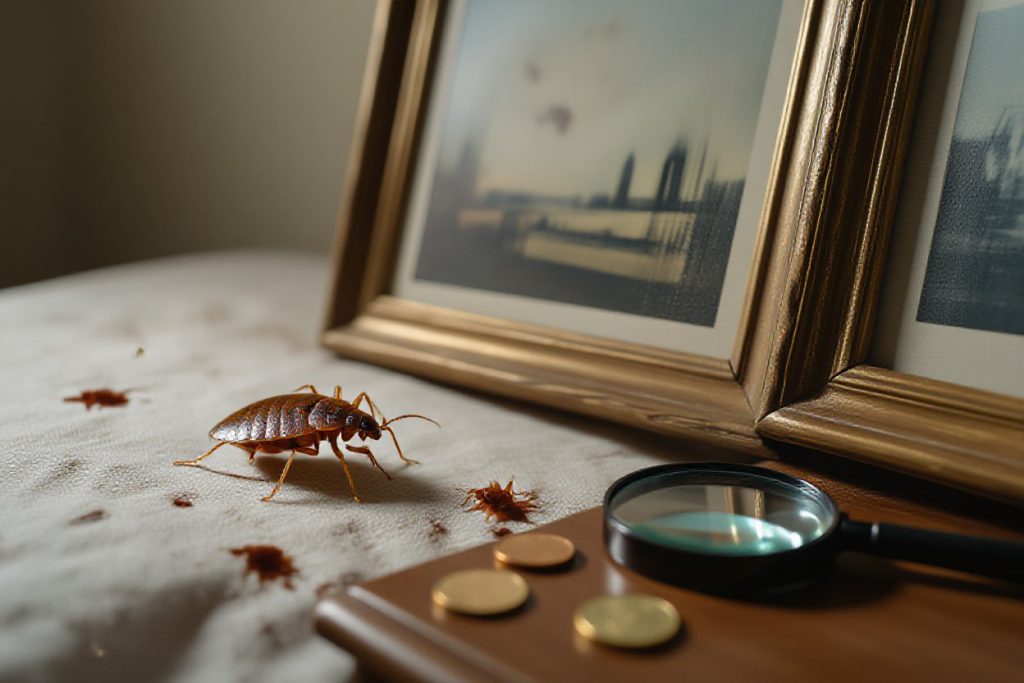
Where To Find Bed Bugs: Hiding Spots On Walls And Nearby
Focus inspections on areas closest to where people sleep or rest. Bed bugs’ most frequent hiding place is in beds, especially in sleeping areas, but they can also be found in other areas such as furniture, luggage, and clothing.
Common Wall Hiding Spots
- Baseboards and trim
- Cracks in drywall or plaster
- Wallpaper seams and peeling edges
- Crown molding seams
Nearby Furniture Harborages
- Headboards and bed frames
- Nightstands and dressers
- Sofas and recliners
Priority Inspection Zones
- Within six feet of beds and sofas
- Behind wall-mounted items
Wall Voids and Electrical Areas
- Behind switch plates and outlet covers
- Inside wall voids near plumbing or wiring
How To Inspect Walls To Find Bed Bugs During Day
Inspection Steps
- Use a bright flashlight to inspect seams, baseboards, and corners
- Remove electrical outlet and switch plates to inspect wall voids
- Probe cracks and seams with a thin card or putty knife
- Check behind picture frames, mirrors, and wall hangings
Slow, methodical inspection increases detection accuracy.
Signs Of A Bed Bug Infestation On Walls
Common Signs on Walls
- Dark fecal spots resembling ink or dried blood on walls and trim
- Shed skins (exuviae) near seams and cracks
- Rust-colored blood stains on nearby bedding or upholstery
These signs confirm activity even when live bugs are not visible.

How To Remove Bed Bugs From Walls And Surrounding Areas
Removal Steps
- Isolate clutter and seal items in plastic bags
- Vacuum seams, baseboards, and wall edges thoroughly
- Use steam on baseboards and fabrics close to walls
- Apply labeled residual insecticides to cracks and crevices according to the label
- Document all treated areas for follow-up inspection
Avoid sweeping or vacuuming dry droppings without proper filtration.
DIY Methods To Remove Bed Bugs From Wall Hiding Spots
DIY Removal Methods
- Apply desiccant dusts into wall voids where pets cannot access
- Place interceptor traps under furniture legs near walls
- Launder nearby textiles on high heat
- Dispose of vacuum contents in sealed outdoor trash immediately
For more information on safe pest control methods, consider a pet-friendly exterminator for solutions that protect your pets and home.
DIY methods help reduce activity but rarely eliminate infestations fully.
When To Call A Professional For A Bed Bug Problem
When to Seek Professional Help
- Multi-room or apartment-wide infestations
- Repeated sightings during daytime
- Persistent activity after DIY attempts
Request licensed pest control services, canine inspections for detection, and heat treatment options when appropriate.
Preventing Bed Bug Infestations Around Walls And Furniture
Prevention Tips
- Seal wall cracks and gaps with caulk
- Reduce clutter near beds and seating areas
- Keep beds slightly away from walls and furniture
- Inspect used furniture thoroughly before bringing it indoors
Prevention focuses on limiting harborages and movement pathways.
FAQs
Can bed bugs climb smooth painted walls?
Yes, bed bugs can climb painted walls, especially if there is texture, seams, or debris. However, bed bugs cannot climb smooth surfaces and need something to grip onto.
How far do bed bugs travel from harborages?
Typically within 5–20 feet of a host, but farther during heavy infestations. Bed bugs are about the size of an apple seed and are food snobs, only feeding on fresh blood from a live host (blood meal).
Do daytime bites indicate a severe infestation?
Often yes. Daytime biting or movement usually suggests overcrowding or host deprivation.
How long can bed bugs survive without feeding, and where can they live?
Bed bugs can survive for roughly 100 days without feeding and can endure extreme temperatures, surviving as low as 46°F and as high as 120°F. They can live almost anywhere that provides shelter, darkness, and desirable temperatures.
Resources And Further Reading
- Peer-reviewed studies on bed bug movement and behavior
- State and national pest control certification resources