Emergency Rodent Control: Urgent Response And Prevention
Introduction
Emergency rodent control is a critical service for homeowners, renters, and business owners who face sudden rodent infestations that threaten health, safety, and property. Rodent control refers to the management and elimination of mice, rats, and other rodents using various pest control methods to mitigate an infestation. Different pest control methods exist to help mitigate an infestation, including traps, barriers, and chemical pesticides. Emergency rodent control is important because rodents can spread disease, cause structural damage, and contaminate food supplies. Emergency pest control services can address urgent rodent problems effectively, providing rapid intervention to protect your home or business from further harm. Common methods of rodent control include traps, barriers, and chemical pesticides, which are tailored to the severity and location of the infestation.
Quick Overview Of Emergency Pest Control Services
Emergency pest control services provide rapid response to active infestations that pose immediate health, safety, or structural risks. Many pest control companies offer same-day or next-day service for rodent emergencies, and emergency pest control services are available 24 hours a day, 7 days a week in some areas. These services are designed to quickly identify, contain, and reduce rodent activity, preventing escalation, property damage, and disease exposure. Emergency pest control services can address urgent rodent problems effectively, ensuring that infestations are managed before they become more severe. Pest control companies can provide reliable pest removal services to help restore safety and comfort in homes and businesses. Understanding how these services work will help you know what to expect during an emergency situation.

Common Signs Of Rodent Infestation
Signs of a rodent infestation include droppings, gnawed materials, scratching noises, and foul odors. Rodent infestations are indicated by droppings in cabinets, pantries, or along baseboards, and by gnaw marks on food packaging, wiring, wood, or plastic. Scratching or scurrying sounds at night, especially in walls or attics, are common indicators. Strong musky or ammonia-like odors and unusual pet behavior such as persistent sniffing, barking, or pawing at walls may also signal rodent presence. Once you notice these signs, immediate action is crucial to prevent escalation.
When To Call Emergency Pest Control
Immediate action is required when rodents create health or safety threats. Call emergency pest control if droppings are found near food preparation areas, if scratching or movement is heard inside walls or ceilings, or if rodents are seen during daylight hours. Structural risks include chewed wiring, damaged insulation, gnawed pipes, or visible nesting materials. Urgent response is also recommended for visible nests, aggressive rodent behavior, or any confirmed human bites. Recognizing these situations early can help you identify the signs of an infestation.
Immediate Actions During An Emergency Rodent Control Event
During an active rodent emergency, it is important to take immediate steps to protect occupants and property. Follow these guidelines to minimize risk and prepare for professional intervention.
Limit Exposure
- Keep occupants away from affected areas to reduce the risk of disease transmission.
- Restrict access to rooms where rodent activity is suspected.
Isolate Pets
- Isolate pets to prevent contact with rodents, droppings, traps, or bait.
- Monitor pets for unusual behavior that may indicate rodent presence.
Secure Food and Waste
- Store all food in airtight containers to prevent contamination.
- Remove exposed waste and clean up food debris promptly.
Remove Hazards
- Clear flammable or hazardous materials from areas where rodents may be chewing to reduce fire and safety risks.
Taking these immediate actions will help contain the situation until professional help arrives.
Medical Emergencies Related To Rodent Infestations
Rodent infestations are not just a nuisance—they can quickly escalate into serious medical emergencies that threaten human health. Rodents are known to transmit diseases such as hantavirus, leptospirosis, and lymphocytic choriomeningitis (LCMV), which can be spread through direct contact with rodent droppings, urine, or saliva. These diseases can cause severe symptoms, including respiratory distress, kidney complications, and in extreme cases, can be life-threatening. Children and pets are especially vulnerable to these health risks, as they are more likely to come into contact with contaminated surfaces or materials. If you notice signs of an infestation, such as droppings or foul odors, it is crucial to take immediate action. Avoid handling rodents or their waste with bare hands, and never attempt to clean up contaminated areas without proper protection. Instead, contact a pest control expert or emergency pest control services to safely eliminate the rodents and reduce the risk of disease transmission. Professional control services are equipped to handle infestations safely and can help protect your family, pets, and property from further harm. Prioritizing emergency pest control is essential for maintaining a healthy environment and preventing the spread of dangerous diseases.

On-Site Response: Bait Stations, Traps, Exclusion
Professional emergency rodent control typically involves a combination of methods to quickly reduce rodent populations and prevent re-entry. The following steps outline a standard on-site response:
- Bait Stations
- Sealed bait stations are placed in controlled locations to limit access and improve safety.
- All bait station locations are documented for monitoring and follow-up service.
- For larger infestations, bait stations should be placed every 10–12 feet for mice and 15–30 feet for rats, and tamper-resistant bait stations are recommended for safety.
- Rodenticides are a common method used for rodent control, and diatomaceous earth can also be used for controlling pests, including rodents.
- Mechanical Traps
- Snap traps are positioned along rodent runways and nesting areas for rapid population reduction.
- Snap traps baited with peanut butter should be deployed in high-activity areas for immediate rodent control, and electronic traps can be used as a clean alternative, delivering a high-voltage shock to rodents.
- Placing multiple traps against walls increases the chances of catching rodents.
- Mechanical methods are often preferred for evicting and repelling rodents.
- Exclusion Techniques
- Entry points are sealed with steel wool, copper mesh, and durable sealants to prevent rodents from entering or exiting.
- Entry points larger than a dime should be sealed using steel wool, caulk, or metal mesh to prevent reentry of rodents.
- Rodents can pass through very small openings, making it essential to seal entry points thoroughly.
- Preventing rodents from entering your home is the best way to control rodents.
- Droppings and nesting materials should be sprayed with a mixture of 1 part bleach to 9 parts water before cleaning, and you should never sweep or vacuum rodent droppings, as this can aerosolize dangerous viruses.
Each of these steps is critical for effective emergency rodent control and should be performed by trained professionals.
Long-Term Rodent Control And Preventing Pests
Long-term control relies on routine property inspections, especially around foundations, utility entry points, attics, and crawl spaces. Preventing pest issues within buildings is crucial, and notifying building managers about pest problems can help address issues quickly. Using durable building materials can prevent deterioration and health risks associated with droppings and nesting behaviors from pests like birds and bats. Exterior sealing and exclusion prevent re-entry, while strict food storage and sanitation reduce attractants. Pest control professionals can also help with other pests and wild animals that may pose safety hazards or cause property damage. Ongoing bait station monitoring ensures early detection and control of future activity. Maintaining these practices is essential for preventing future infestations and protecting your property.
DIY vs Professional Emergency Rodent Control
When faced with a rodent infestation, many homeowners consider tackling the problem themselves using DIY methods like traps or bait stations. While these approaches may seem convenient for a small infestation, they often fall short of providing lasting results and can expose you to unnecessary health risks. Handling rodents or their droppings with bare hands increases the risk of contracting diseases, and improper placement of traps or poisons can endanger children, pets, and other animals in your home. DIY methods also rarely address the root causes of the infestation, such as hidden entry points or accumulated debris and garbage that attract pests.
In contrast, professional emergency pest control services offer a reliable and comprehensive solution. Pest control experts are trained to identify all entry points, assess the extent of the infestation, and implement effective rodent control methods tailored to your property. They use professional-grade bait stations, traps, and exclusion techniques to eliminate rodents and prevent re-infestation. Additionally, a pest control service can provide valuable advice on preventing pests in the future, such as sealing cracks, removing food sources, and maintaining a clean environment. By choosing a professional service, homeowners can ensure the job is done safely and thoroughly, protecting their family’s health and property value. When it comes to emergency rodent control, relying on experienced professionals is the best way to eliminate pests and reduce the risk of future infestations.
Integration With Other Control Services: Bed Bugs And Termite Control
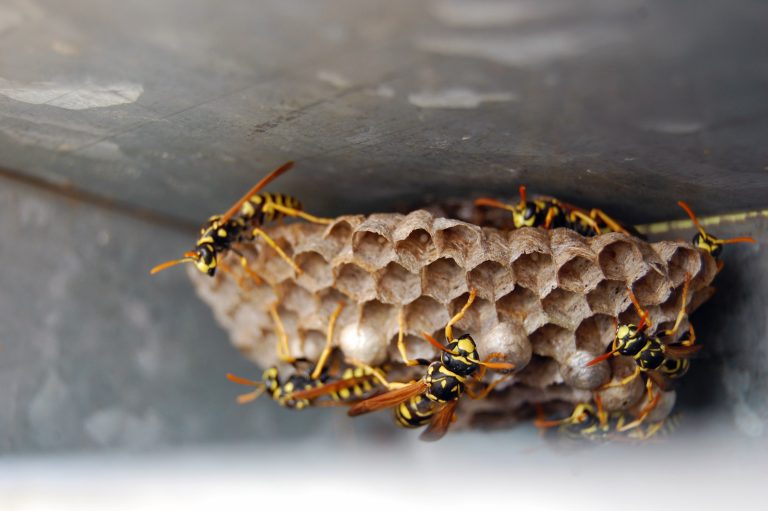
Rodent control may be combined with bed bug treatment when infestations overlap in shared living spaces. Rodent control may also be integrated with services for termites, cockroaches, ants, wasps, bees, fleas, and other insects, as these pests can pose significant health risks and structural damage. Coordination with termite inspections is recommended to prevent structural vulnerabilities that rodents exploit. Emergency pest control services can help rid your property of stinging insects such as wasps, bees, and certain ants, which can cause allergic reactions and require professional removal. Unified pest control contracts can streamline scheduling, documentation, and long-term prevention strategies. Comprehensive pest control is important to address all types of insects and pests in the home. Integrating services ensures comprehensive protection against multiple pests.
Choosing Emergency Pest Control Services And Providers
Verify provider qualifications, including experience with emergency rodent situations. Confirm state pest control licensing and insurance coverage. Ensure the company offers defined emergency response times, clear treatment plans, and service guarantees. Selecting a reputable provider is key to effective and safe rodent control.
Costs, Scheduling, And Guarantees For Control Services
Emergency rodent control often includes same-day response fees depending on severity and access requirements. Always request written estimates outlining treatment scope and guarantees. Compare ongoing maintenance pricing to reduce the risk of repeat infestations. Understanding costs and guarantees helps you make informed decisions about pest control services.
Local Regulations And Safety Requirements
Rodent control must comply with local pesticide regulations and safety standards. Proper documentation of product use, placement, and safety protocols is required to ensure compliance and occupant protection. Staying informed about regulations helps ensure safe and legal pest control practices.
Resources, Checklists, And Next Steps
Use a printable emergency rodent control checklist to guide immediate actions and preparation. Reference a local emergency pest control services directory for rapid assistance. Schedule a follow-up inspection to confirm elimination and reinforce long-term prevention measures. Taking these steps will help you maintain a rodent-free environment.