Bed bugs carpet vs hardwood
With bed bugs, you’re dealing with a much larger infestation that can spread quickly if left untreated. And because the bites are often itchy and irritating, they can be more painful than your average mosquito bite. Bed bugs are difficult to eradicate. The bed bug problem is especially challenging because infestations often occur in beds and upholstered furniture, making complete removal difficult and requiring targeted treatments. They have a life cycle of about 30 days, and their eggs can remain viable for months in furniture, boxes, and other places where they might have been missed.
There are few things worse than crawling around in bed at night, itching with the urge to scratch all over yourself, and realizing that you’ve brought the bed bugs home with you. The adage, “Bed bugs are drawn to dark, soft areas of your home, so if you find bed bugs in your bedroom, then you know that there is carpet or other floorings in the room as well.” Bed bugs are more likely to be found in areas where humans spend a lot of time, such as near beds or couches, regardless of the flooring type. Bed bug infestations can be especially problematic in an apartment complex, where the pests can easily spread between units and make eradication more difficult.
We all know that when it comes to pest control in your home, bed bugs can be particularly troublesome. For effective pest control, it is crucial to remove all the bugs, their eggs, and feces to prevent re-infestation. Luckily, you can prevent these nasty little buggers from invading your home once and for all, using the right methods. Instead of removing or replacing carpets and flooring, targeted treatments or sealing strategies are often a better solution for eliminating bed bugs.
Signs of Bed Bugs
Bed bugs are masters of stealth, making it tough to spot a bed bug infestation until it’s already a big problem. Still, there are some telltale signs of bed bugs that you can look for to catch these pests early. One of the first clues is waking up with small, red bug bites—often in a zig-zag or clustered pattern—on your skin. These bed bug bites can be itchy and may appear on areas exposed while you sleep, like your arms, neck, or shoulders.
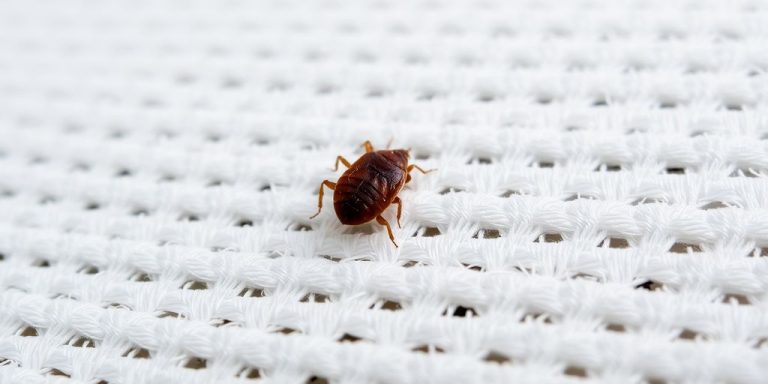
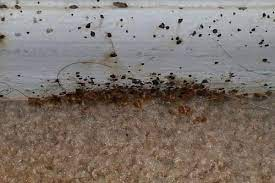
But bites aren’t the only sign. If you look closely, you might spot live bed bugs crawling on your mattress, bedding, or even along hardwood floors and carpet edges, especially at night when bed bugs tend to be most active. You may also find tiny, pale bed bug eggs, eggshells, or shed skins tucked away in cracks and crevices—think the seams of your mattress, behind wood furniture, or in knot holes and gaps in unfinished wood.
To find bed bugs, grab a flashlight or UV light and inspect your home thoroughly. Pay special attention to places where bed bugs can easily hide, such as where the carpet meets the wall, between floorboards on wood floors, and inside or underneath furniture. Bed bugs can live inside wood furniture, especially if it’s unfinished or has small gaps, and they love to burrow into the smallest hiding spots.
If you notice any of these signs of bed bugs, it’s important to act fast to get rid of bed bugs before the infestation spreads. Heat treatment is one of the most effective ways to kill bed bugs, as high heat can reach into cracks and crevices where chemical sprays might miss. Diatomaceous earth is another popular home remedy—this natural powder can be sprinkled along carpet edges, baseboards, and other hiding places to help kill bed bugs. For severe infestations, professional pest control may be the best solution.
Do bed bugs like hardwood floors?
Bed bugs don’t like heat, but they seem to enjoy a warm home environment, which means they are more likely to live in homes with hardwood floors than other materials like laminate and carpet. Bed bugs cannot burrow into wood—unlike carpenter ants, which actually tunnel and burrow into wood—so instead, bed bugs hide in the cracks and crevices of hardwood floors, wood flooring, and wooden floors. Bed bugs burrow is a common misconception; they do not create tunnels in wood, but take advantage of existing gaps. Bed bugs prefer to hide in cracks and crevices, which are more abundant in hardwood floors than in carpets, making wood floors a prime target for infestation. Bed bugs do not have a preference for wood itself, but they love areas that provide shelter and proximity to their hosts.
This type of bed bug behavior is known as “pawing.” Bed bugs spend most of their time sleeping, moving around only when they awaken. A bed bug that awakens on a surface with no cracks and crevices will begin to move. However, if there are cracks or crevices present, the bug will continue to sleep until it finds a crack. Bed bugs love these cracks and crevices, as they serve as the perfect hiding place, especially in hardwood flooring and wood flooring. Bed bugs are photophobic, meaning they avoid light and prefer dark hiding spots, such as under wooden floors or in cracks. The abundance of cracks, gaps, and imperfections in wood floors, hardwood floors, and wooden floors provides ideal hiding places for bed bugs to walk and lay their eggs. If there are large gaps in your wood floor or hardwood flooring, it is important to seal them to prevent bed bug infestations.
It turns out, they do. The same bed bugs that bite us also like to make their homes on hard surfaces. They are attracted to surfaces that hold warmth and contain moisture. And what are the two places in your house where these conditions exist? Your bed and your floorboards.
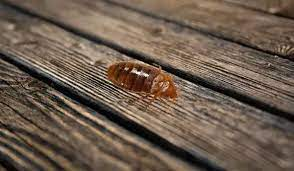
Signs of Bed Bugs in Wooden Furniture A serious bed bug infestation affects a residential bedroom where bedbugs develop undetected on the frame of a double bed beneath the mattress The best way of killing bed bugs at all is to avoid picking up used furniture. Also, bed bugs choose hardwood floors to lay their eggs on because wood floors tend to have a lot of cracks. These cracks help bed bugs hide their eggs. Bed bugs can infest wood floors if they can find a spot to hide from sunlight.
While we’re not sure about bed bug preference for wood, we know that in the world of insecticides, bed bug control experts recommend a mixture of two chemicals, with one being an insecticide called pyrethrin. This chemical, when combined with another, is known to kill bed bugs within 30 minutes of spraying.
Does removing carpet help get rid of bed bugs?
There is a myth that if you remove carpet, you eliminate the chance of getting bed bugs. It’s not true. According to the National Pest Management Association, it’s “almost impossible” to completely get rid of bed bugs once they’re established. That said, the presence of a carpeted floor increases the risk of bed bug infestations, as bed bugs can hide and lay eggs deep within the carpet fibers. Removing carpet is often considered the first step in getting rid of bed bugs.
If you have carpet in your home or apartment, or if you are thinking about removing your current carpet, there are a few things you need to know before you start pulling up your flooring. Bed bugs prefer to hide in dark, warm areas, and since your carpet and rugs are usually the darkest areas in your home or apartment, removing them could make the environment more suitable for bed bugs to live in, which could mean an increase in their numbers in your home or apartment.
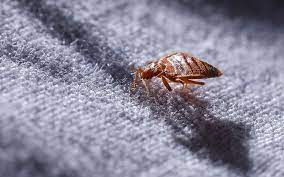
One of the best ways to remove bed bugs from your home is to remove your carpet. Carpets can be easier for bed bugs to infest because they can lay eggs in the fabric, which provides a suitable surface for attachment. Bed bugs prefer dark, warm places such as bedrooms, bathrooms, and basements to hide from light and heat. They are attracted to the flooring under your furniture and bedding. When people remove their carpet, they usually also toss their mattresses, pillows, and blankets into a washing machine. This means any bed bugs that are crawling around can be flushed away and you will no longer have to worry about getting infested!
Vacuuming your carpet can eradicate any bed bugs visible on your carpet, but it is important to properly dispose of the vacuum bag to prevent re-infestation. Using a scrub brush can help clean bed bugs from carpets without damaging them. Steam cleaning is also effective, as it can kill bed bugs and their eggs within minutes. Alcohol-based sprays can kill bed bugs quickly when applied directly, and diatomaceous earth can kill bed bugs when they walk over it, embedding shards into their exoskeleton. After vacuuming and steaming, applying a chemical spray as a final step can help target any remaining bugs and eggs. In addition to carpets, it is important to treat other fabrics such as upholstery, stuffed animals, and blankets, as bed bugs and other pests can infest multiple types of fabrics and surfaces in the home.
Do bed bugs prefer carpet?
It’s not just your home that could be crawling with bed bugs. They are also found in hotel rooms, cruise ships, and airplanes, according to the CDC. The best advice is to thoroughly clean your home or stay at a hotel. Once bed bugs find a new environment, they can quickly move from room to room, which is why it’s best to treat the entire space rather than focus on a single item. Bed bugs live inside and like to feed at night. When finding bed bugs in carpets, it is important to conduct a thorough inspection, as they can hide deep within the fibers and along the edges. Bed bugs feed exclusively on human blood, which is why they are often found near beds and couches. Unlike other bugs such as beetles or cockroaches, bed bugs do not eat wood or crumbs and have unique hiding and feeding behaviors. Bed bugs can also infest other furniture, including couches, chairs, and even used or wooden furniture, making it important to inspect all furnishings. While bed bugs can live on hardwood floors, they are more likely to be found in carpets due to the greater number of hiding spots. Hence the name “bed bugs”. Bed bug bites are red-colored welts that appear in small clusters. Inspect the immediate area around your bed, including the carpet, for any bed bugs. Bed bug hiding places are usually: Close to humans. Bed bugs prefer to live within six feet of their host’s sleeping place.
Bed bugs only live for around four to six months, so 200 to 500 new bed bug eggs per female bed bug can become a major problem. Bed bugs lay eggs on various surfaces such as carpets, floor cracks, and hidden spots around the home, especially near their feeding sites. That said, female bed bugs need males to reproduce, so if there aren’t enough to go around, you may not see such high numbers of new eggs. Bed bugs tend to prey on humans while we sleep and usually bite exposed skin, like your neck, arms, and shoulders. Can Bed Bugs Crawl On Tile Floor? Bed bugs can walk on any horizontal surface. Their six legs help them to walk on the tiled floor. However, walking on the wooden floor is something that bed bugs ignore until they leave in search of new places.
Bedbugs prefer dark, warm environments. Although bed bugs like to hide in cracks, crevices, and under furniture, they really enjoy the dark environment of a bed. So the next time you’re cleaning, be sure to check behind furniture, under baseboards, in the crevices between wallboard and flooring, and around vents and electrical outlets. Bed bugs aren’t picky when it comes to choosing a surface to live on—but if they feel trapped, they will seek out the warmth and light provided by human bodies.
Does carpet make bed bugs worse?
Bedbugs are a serious problem for anyone who’s staying in hotels, but it’s a particularly big issue in Japan, where hotel rooms are treated as living spaces as well as places to sleep. As soon as a bedbug gets into a room, it begins to reproduce, making new generations every two days. Since bedbugs don’t move between rooms unless they have to, they often infest just one or two beds in a hotel. Because of this, a lot of hotels have started using special traps to catch and destroy bedbugs in their rooms.
This is a tough one. While some argue that carpet makes bed bug infestations worse, others say that carpet and furniture can be a barrier for bed bugs. The debate is heated, and experts are split on the issue. But, here’s what we do know: carpeting is an excellent breeding ground for the insect. Bed bugs like to hide in cracks and crevices that are typically located under carpets.
Bed bugs have been a problem since the beginning of time. And while there are some things that you can do to combat them, they can be quite hard to get rid of. Even if you remove all traces of the bugs, you’re not guaranteed to be free from the pesky little creatures. It is crucial to remove all the bugs, their eggs, and feces to prevent re-infestation, as missing even a few can lead to the problem returning. Some experts believe that they’ll always be around.