Types of Roaches in Oklahoma
Overview
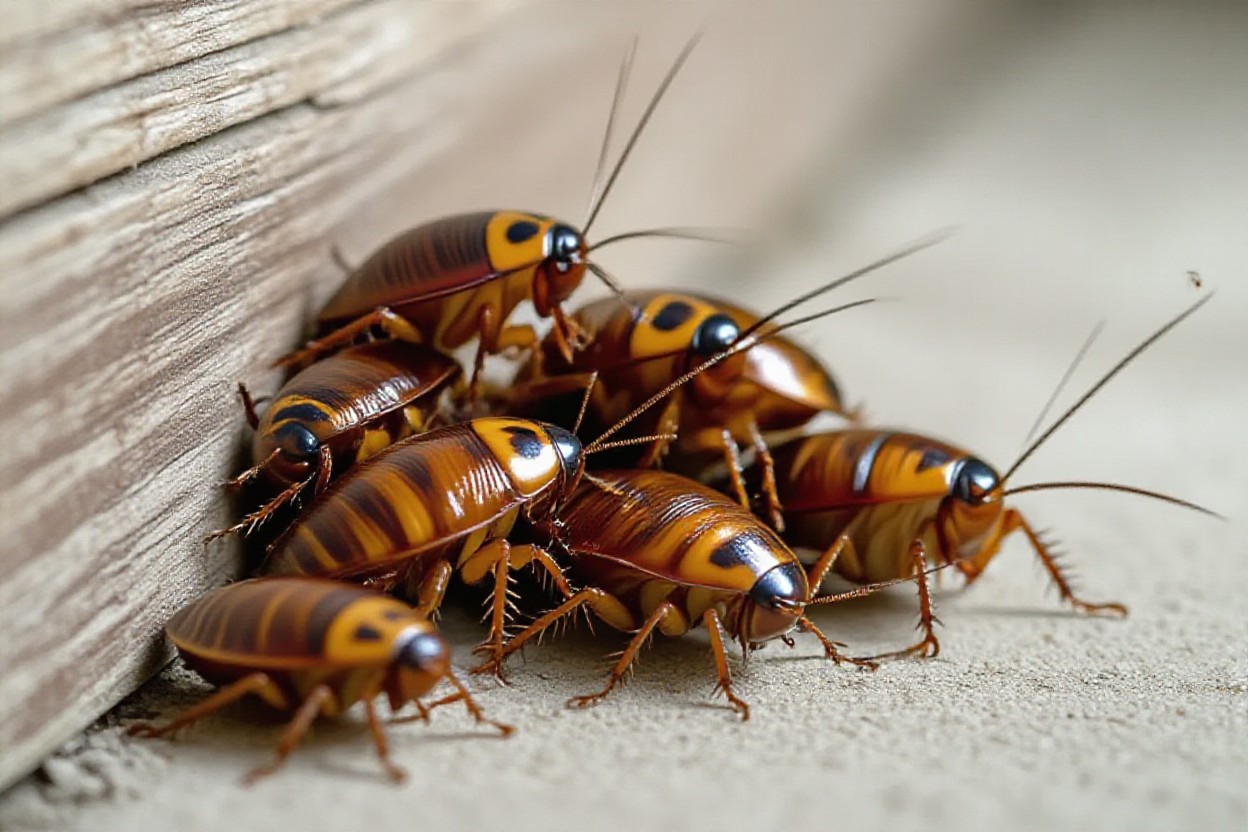
Cockroaches are among the most common household pests in Oklahoma due to the state’s warm, humid climate. The most common species of cockroaches in Oklahoma are the German, American, Brown-banded, and Oriental cockroaches. Infestations occur in both residential and commercial properties, with risks present indoors and outdoors. American cockroaches are the second most common species in Oklahoma. Seasonal weather shifts often push outdoor species inside, increasing exposure and infestation pressure.
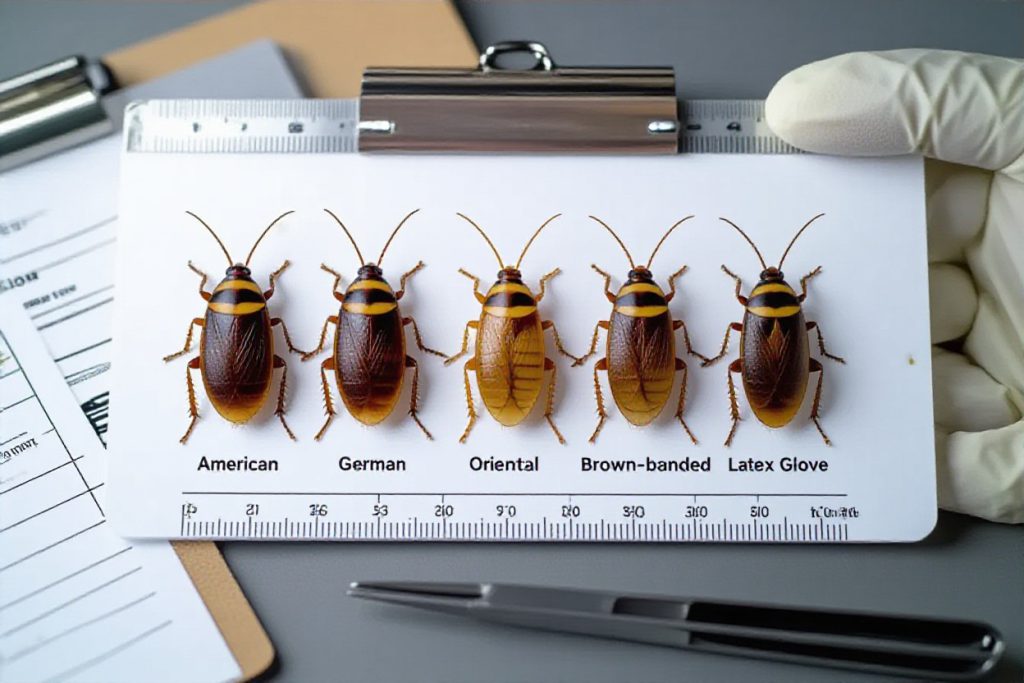
Types of Roaches in Oklahoma: Identification, Risks, and Control
Purpose of this guide: Help homeowners and businesses in Oklahoma correctly identify cockroach species, rodents, understand their risks, and apply effective control strategies.
Primary species covered: German cockroach, American cockroach, Oriental cockroach, Smokybrown cockroach, Brown-banded cockroach, and native wood roaches.
Oklahoma cockroaches include five main species: German, American, Oriental, Brown-banded, and Smokybrown. The most common cockroaches in Oklahoma are the German, American, Brown-banded, and Oriental species, with German roaches being the most prevalent indoor pest.
Comparison Table: Key Differences Between Main Cockroach Species in Oklahoma
| Species | Size | Color/Markings | Typical Habitat | Indoor/Outdoor Tendency |
|---|---|---|---|---|
| German Cockroach | ½–⅝ inch | Light brown, two dark stripes | Kitchens, bathrooms, cabinets | Primarily indoor |
| American Cockroach | 2–3 inches | Reddish-brown, yellowish marking | Sewers, drains, basements | Both, often outdoors |
| Oriental Cockroach | ~1 inch | Dark brown to black, glossy | Basements, crawl spaces | Both, prefers damp areas |
| Brown-Banded Cockroach | ~0.5 inch | Light brown, two light bands | Ceilings, cabinets, electronics | Primarily indoor, dry areas |
| Smokybrown Cockroach | 1–1.5 inches | Solid mahogany/dark brown | Leaf litter, mulch, outdoors | Primarily outdoor |
Characteristics of Roaches
Cockroaches are resilient insects with features that make them highly adaptable to a variety of environments. Most cockroach species have a flattened, oval-shaped body that allows them to squeeze into tight spaces. Their coloration ranges from light brown to dark brown, with some, like the American cockroach, displaying a reddish brown hue. Size varies widely: the german cockroach is a small species, measuring about half an inch long, while the american cockroach can reach up to three inches, making it one of the largest cockroaches found in Oklahoma. These insects are equipped with long antennae and, depending on the species, may have wings that cover their bodies. Recognizing these physical characteristics is essential for accurate cockroach identification and for determining the best approach to managing a cockroach problem in your home or business.
German Cockroach
Size and Appearance
- Size: Small, typically ½–⅝ inch long.
- Thorax markings: Two dark, parallel stripes behind the head.
- Visual reference recommendation: Close-up photo or diagram highlighting the two dark stripes.
Habitat
- Preferred indoor hiding spots: Kitchens, bathrooms, cabinets, behind appliances, wall voids, and plumbing areas.
Behavior
The German cockroach is the most common species in both Oklahoma and the United States. German cockroaches are the most common indoor roach in Oklahoma and reproduce rapidly, making infestations difficult to control without targeted treatment. The German roach can complete its life cycle in about 3 months and produces between 30-40 eggs per capsule, with an average incubation period of about 28 days.
Risks
German cockroaches pose significant health risks due to their rapid reproduction and tendency to infest food preparation areas.
Next, we look at the American cockroach, another common species in Oklahoma.
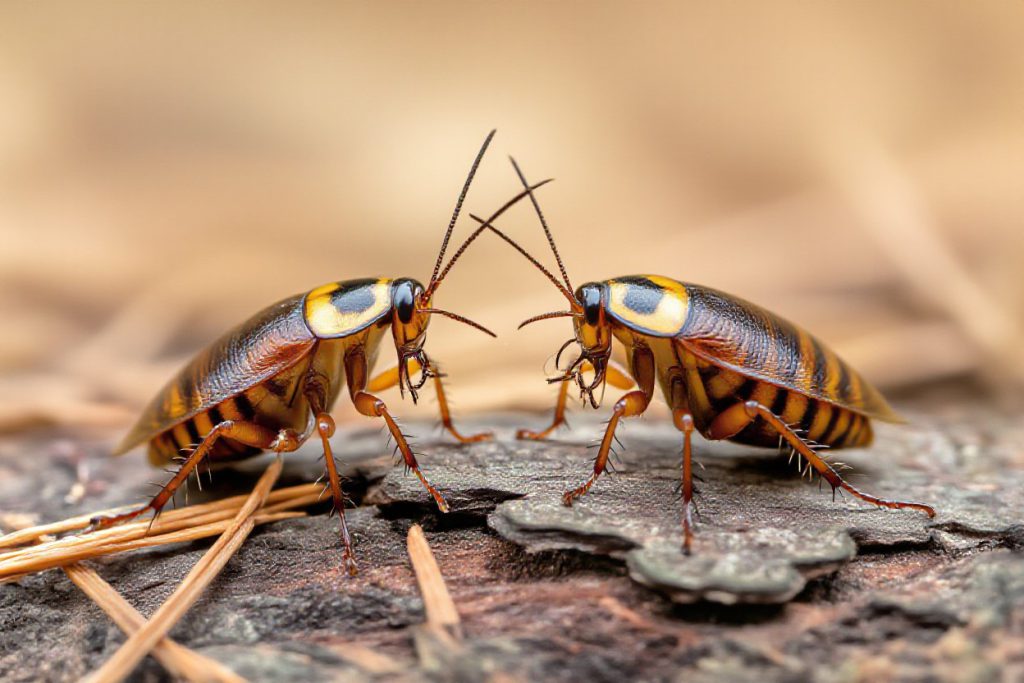
American Cockroach
Size and Appearance
- Size and color: Large, up to 2 to 3 inches long; reddish-brown with a yellowish marking behind the head.
- The american roach can be identified by its reddish-brown color, large wings, and occasional flight.
Habitat
- Common commercial habitats: Restaurants, grocery stores, warehouses, food processing facilities.
- American roaches primarily live outdoors in sewers, drains, and mulch, but enter homes seeking moisture.
- Typical entry points into buildings: Sewer lines, floor drains, crawl spaces, foundation cracks, utility penetrations, air ducts.
Behavior
Often called “water bugs,” American cockroaches thrive in warm, damp environments and migrate indoors during cooler months. Their diet includes fermenting material such as fungi, decaying leaves, and overripe fruit. The life cycle of the American cockroach includes an incubation period of 38-49 days for its egg capsules.
Risks
American cockroaches can contaminate food and surfaces, posing health risks in both homes and businesses.
Next, we’ll examine the Oriental cockroach, which is also frequently encountered in Oklahoma.
Oriental Cockroaches
Size and Appearance
- General appearance and coloration: Dark brown to nearly black, glossy appearance. Oriental cockroaches are about an inch long.
- Visual reference recommendation: Photo emphasizing glossy, dark coloration.
Habitat
- Outdoor moisture-linked habitats: Basements, crawl spaces, drains, leaf litter, damp soil, and mulch. They are frequently found in damp locations such as crawl spaces, basements, and areas around toilets and sinks. Oriental cockroaches prefer dark, moist environments and are often found in dark, damp areas such as basements and sewers.
Behavior
- Sluggish movers with poor climbing ability, Oriental cockroaches—also known as oriental roaches—are often found in dark, damp areas and are known for their slow movement and strong odor.
- Association with sewers and drains: Commonly found near floor drains, sewer lines, and plumbing leaks, oriental roaches are frequently associated with unsanitary environments such as garbage and sewage.
Risks
- Odor: Produces a strong, musty odor that helps identify infestations. This foul odor, along with their shiny, dark appearance, helps distinguish oriental cockroaches from other insects and pests like German or American roaches.
- Oriental cockroaches are strongly associated with unsanitary conditions and moisture-heavy environments. Their physical traits and odor make them easier to identify compared to other insects.
Next, let’s explore the brown-banded cockroach, which prefers drier indoor environments.
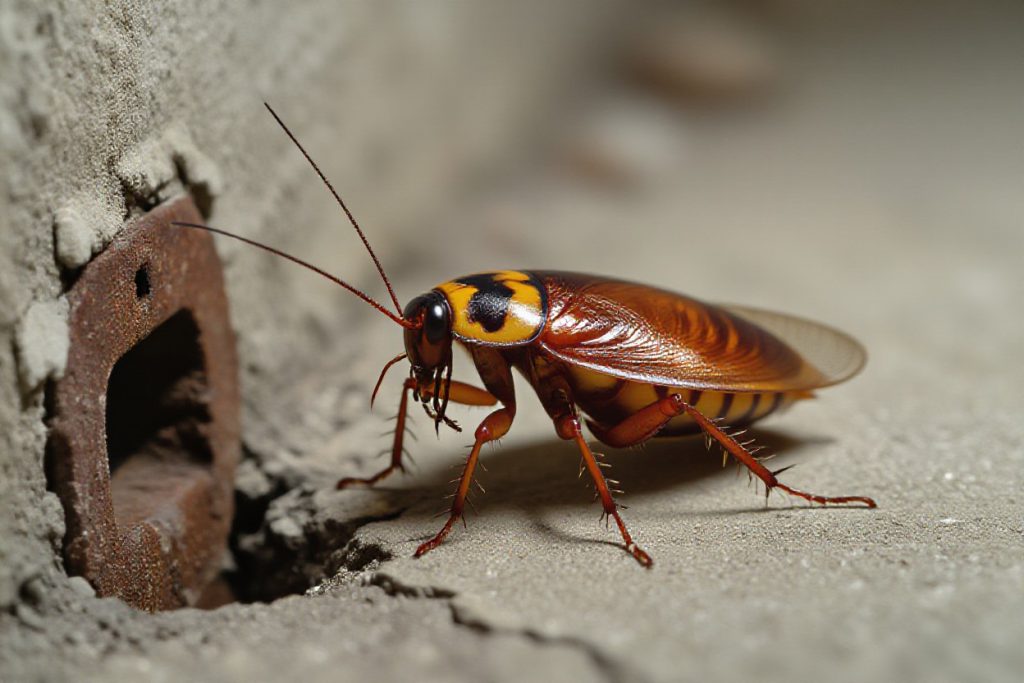
Brown-Banded Cockroaches
Size and Appearance
- Size and banding: Small, about 0.5 inches long, with two light-colored bands across wings and abdomen. Brown-banded cockroaches have similar coloring to some other cockroach species, which can make identification challenging. Males are typically slender with fully developed wings that extend beyond the abdomen, while females are broader with shorter wings that do not cover the entire abdomen.
Habitat
- Preference for high, dry locations: Upper cabinets, ceilings, behind picture frames, inside electronics. Brown-banded cockroaches are often found in high, dry areas like ceilings and cabinets.
- Common hiding spots: Appliances, ceiling fixtures, furniture joints.
Behavior
Unlike German roaches, brown-banded cockroaches do not require high moisture.
Risks
Brown-banded cockroaches can spread allergens and contaminate food, especially in less humid areas of the home.
Next, we’ll discuss the smokybrown cockroach and other occasional invaders.
Smokybrown and Other Species
Size and Appearance
- Smokybrown cockroach: Smokybrown cockroaches are about 1 to 1.5 inches long, solid mahogany or dark brown with a solid-colored pronotum.
Habitat
- They are strong fliers and are often attracted to outdoor lights at night. Smokybrown cockroaches are commonly found in very damp, cool environments and prefer to live outdoors in leaf litter and around shrubs. Their life cycle requires about 320 days from egg to adult. These cockroaches are often found among plant materials such as leaf litter and mulch, and may enter homes during seasonal changes.
Behavior
- Smokybrown cockroaches are strong fliers and are attracted to lights at night.
Risks
- These species typically do not establish indoor infestations but may appear inside temporarily.
- Pennsylvania wood roach: Occasional intruder; primarily outdoor species; attracted to lights and decaying wood.
With an understanding of the main species, let’s look at where roaches are most likely to be found in and around Oklahoma homes.
Roach Habitats
Roaches are highly adaptable and can thrive in a wide range of habitats, both indoors and outdoors. Outdoors, cockroaches are frequently found in leaf litter, under mulch, inside tree holes, and around decaying organic matter, where they feed and seek shelter. Oriental cockroaches and other species often inhabit damp basements, crawl spaces, and areas with poor ventilation, as they prefer environments with as much moisture as possible. German cockroaches, on the other hand, are commonly found indoors, especially in kitchens and bathrooms where food and water are abundant. Brown banded cockroaches are unique among common roaches in Oklahoma because they can survive in drier areas, such as living rooms and bedrooms, and are often found away from water sources. Understanding where different cockroach species prefer to live helps in targeting pest control efforts and preventing a roach infestation before it starts.
What Attracts Roaches
Cockroaches are opportunistic feeders and are drawn to locations that offer easy access to food, water, and shelter. Most cockroaches are attracted to organic matter such as decaying leaves, overripe fruit, pet food, and even non food items like glue or soap. German cockroaches are especially attracted to humid environments with plenty of food scraps, while brown banded cockroaches can thrive in drier conditions. Moisture is a key factor for most cockroaches, making leaky pipes, damp basements, and standing water prime targets for infestation. Warmth also plays a role, as roaches prefer temperatures between 70°F and 90°F. Clutter, such as piles of paper or cardboard, provides hiding spots and protection, allowing roaches to multiply quickly. By understanding what attracts roaches, homeowners can take proactive steps in pest control to reduce the risk of a cockroach infestation and keep these common household pests at bay.
Signs Of Infestation
- Visible droppings resembling coffee grounds or pepper
- Oothecae (egg cases) found in hidden areas
- Egg capsules and egg casings present in crevices or attached to surfaces
- Shed skins and persistent musty odors
Egg capsules (also called oothecae) are often glued to surfaces or hidden in crevices, and their presence is a key indicator of ongoing reproduction. Excrement, egg casings, and shed exoskeletons are all common signs of a cockroach infestation.
Early detection is critical for effective control.
Life Cycle And Reproduction
- Egg to adult development varies by species. For example, the brown-banded cockroach has an average life cycle of 161 days, while the smokybrown cockroach’s life cycle requires about 320 days from egg to adult. The oriental cockroach has a developmental period of 12 months, during which it undergoes 7 molts. Female oriental cockroaches may carry the egg capsule for up to 30 hours before depositing it.
- German cockroaches reproduce fastest and pose the greatest infestation risk. In many species, females are responsible for carrying and depositing egg capsules, while males are typically more mobile and may differ in body shape, size, and coloration. These differences between females and males can help with identification and understanding of reproductive roles and behaviors.
- American and Oriental cockroaches reproduce more slowly but live longer.
Lifecycle graphics are recommended for visual clarity.
Health Risks And Damage
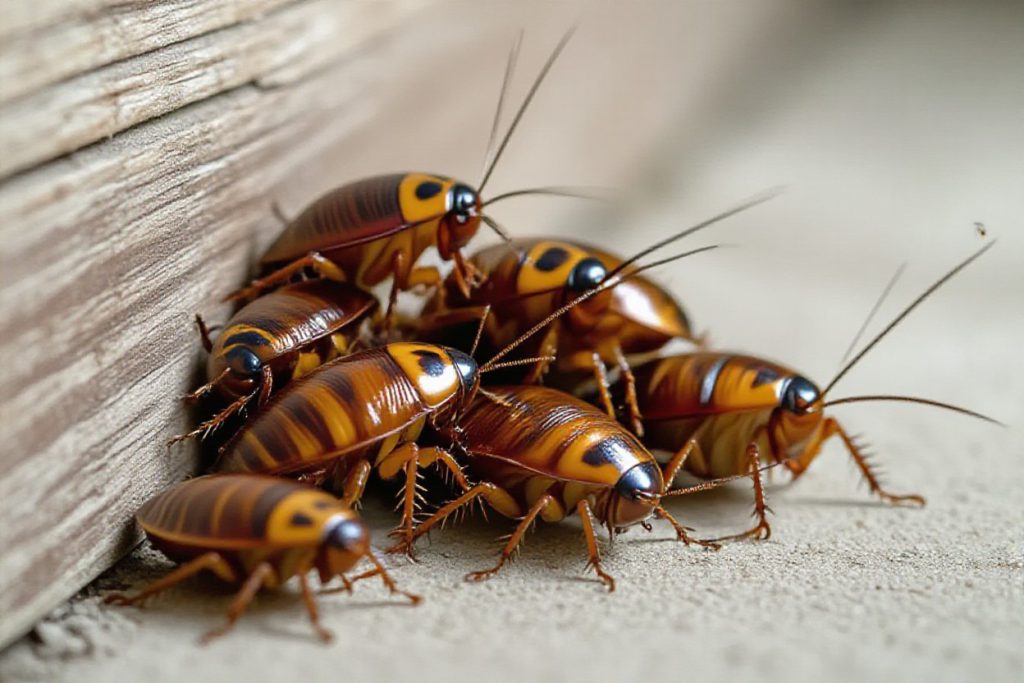
Cockroaches are a serious public health concern. Many people wonder, “Are cockroaches dangerous?” While cockroaches do not bite or directly threaten safety, they are considered cockroaches dangerous because they spread bacteria, disease, and allergens in homes. Cockroaches can carry disease-causing bacteria like Salmonella and E. coli on their legs, which can be transferred to food and surfaces. They can contaminate food and surfaces with their feces and shed skins, increasing the risk of illness. Additionally, cockroaches can trigger allergic reactions and asthma in sensitive individuals, especially children. The presence of cockroaches in a home can also indicate poor sanitation and hygiene conditions.
Prevention And Exclusion
- Cockroaches prefer to stay hidden during the day and seek out areas near water and food sources, making kitchens, bathrooms, and basements common hotspots.
- Cockroaches can sneak into homes or businesses through small cracks, gaps, and utility entry points, so identifying and sealing these potential points of entry is crucial.
- The best way to avoid a cockroach problem is to prevent the infestation in the first place.
- Cleaning everything from wiping down surfaces to washing the dishes daily, as well as vacuuming and sweeping your floors regularly, can help prevent cockroach infestations.
- Storing food properly in sealed containers and eliminating all water sources, from leaking pipes to standing water, are key prevention strategies.
- Practicing proper trash management, including using lids that shut tightly, further reduces the risk of attracting cockroaches.
Prevention is the most cost-effective control method.
Quick Prevention Checklist
- Inspect kitchens and bathrooms monthly
- Seal exterior gaps seasonally
- Reduce clutter and moisture
- Schedule routine inspections
Seasonal reminders improve long-term control.
How To Treat Infestations
- Use targeted baiting systems
- Apply insecticidal gels to cracks and crevices
- Use sticky traps for monitoring activity
- Repeat treatments according to label instructions
For more tips and in-depth pest solutions, visit our pest control blog.
For persistent or specific attic infestations such as bees or wasps, consult this guide on safe and effective attic pest removal.
If cleaning and exclusion do not resolve a cockroach issue, you may need to use natural remedies, chemical methods, or seek professional help. Boric acid is a natural option that is harmless to people and pets but fatal to cockroaches if ingested. Mixing baking soda with onions creates an effective roach killer, and diatomaceous earth is a natural substance that can damage cockroaches when ingested. Some of these methods may be more effective for certain species than for other cockroaches, so it is important to identify the type you are dealing with. If natural and chemical solutions are not successful, calling in a licensed exterminator is recommended. Keeping up with cleaning and home maintenance is essential for preventing cockroaches from resurfacing.
Avoid broad spraying, which can worsen infestations.
When To Call A Professional
- Heavy or recurring infestations
- Multiple species present
- Sightings during daylight hours
Licensed exterminators should provide Integrated Pest Management (IPM) plans. For professional pest control services, you can request a free estimate by completing our online form—get your free estimate complete with no obligation. Additionally, consulting resources like the Oklahoma State University Extension can provide professional assistance in integrated pest management strategies.
Local Resources And Next Steps
- Reference Oklahoma Cooperative Extension resources and consider contacting professional bed bug exterminators in Oklahoma City for comprehensive assistance
- Use a standardized template to contact licensed local pest control services
Professional guidance ensures accurate identification and effective treatment.