Termites’ holes in the drywall are no good!
Are you a homeowner, renter, or property manager concerned about possible termite damage in your property? This article will guide you through how to identify termite holes in drywall, the key signs to look for, and what steps to take if you find them. Termite holes in drywall are usually small, round pinholes, often accompanied by faint lines or tunnels just beneath the paint. Knowing how to spot these early warning signs is crucial for preventing costly structural damage and protecting your investment.
What Do Termite Holes Look Like in Drywall?
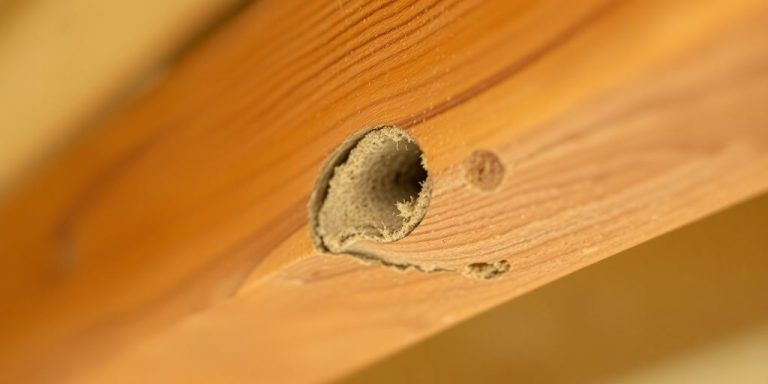
Termite holes in drywall are small (1/16 to 1/8 inch), round, and may be hard to spot. They are often quickly filled by termites with a brown, plaster-like substance. Faint, winding lines or sunken trails beneath the paint may also be visible.
Definition Box:
Termite holes in drywall: Small, round pinholes (1/16 to 1/8 inch in diameter) created as termites tunnel through drywall. These holes may be filled or covered by termites and are often accompanied by faint, winding lines beneath the paint.
Quick Facts:
- Termite holes in drywall are usually small, typically measuring 1/16 to 1/8 inch in diameter.
- Tiny pinholes on drywall can indicate the presence of termites, as these are eviction points for frass and dead termites.
- Termites create faint, winding “sunken lines” or trails just beneath the paint, indicating their tunnels in the paper backing of drywall.
- Termites create exit holes in drywall as they tunnel through to reach cellulose materials, which they prefer to consume.
- Termite exit holes are typically small, about 1/8 inch in diameter, and are often quickly filled by termites with a brown, plaster-like substance.
- Termite holes in drywall may appear similar to holes made by other insects, but they are typically smaller and rounder.
What do termite wall holes look like?
Termites make their homes in wood and drywall, tunneling through these materials and leaving behind distinctive signs of their presence. Termite wall holes are typically small, round, and measure about 1/16 to 1/8 inch in diameter. These holes may be hard to spot because termites often fill them with a brown, plaster-like substance soon after creating them. In addition to these pinholes, you might notice faint, winding lines or sunken trails just beneath the paint, which indicate the tunnels termites create as they move through the paper backing of drywall.
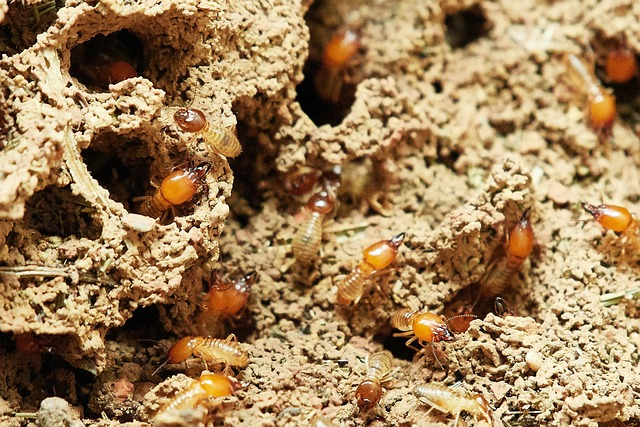
Termite tunnels and holes allow these pests to interact with the outside world, providing access between their nests and external environments. The tunnels are often full of moisture, and the wood or drywall may sound hollow when tapped. If you notice these signs, it’s important to act quickly to prevent further damage.
Transition: Now that you know what termite holes look like in drywall, let’s explore how to detect their presence and what signs to watch for in your home.
How do you know if termites are in drywall?
Common Signs of Termites
Termites are tiny insects that can be difficult to detect, but there are several signs that may indicate their presence in your drywall:
- Small, round pinholes (1/16 to 1/8 inch) in drywall
- Faint, winding lines or sunken trails beneath the paint
- Mud tubes along baseboards or between your home and the ground outside
- Hollow-sounding walls or floors when tapped
- Piles of termite dust (frass) or fecal pellets near damaged areas
- Warped or wobbly door and window frames
Where to Inspect
Check the following areas in your home for signs of termite activity:
- Kitchen: Look for drywall mud or pinholes on walls, cabinets, and near appliances.
- Bathroom: Inspect under sinks, behind doors, and around showers for mud or holes.
- Basement: Examine stairs, walls, and corners for signs of damage.
- Garage: Check walls and storage areas for pinholes or mud tubes.
- Attic and Crawl Space: Termites can enter through these areas, so inspect for tunnels or holes.
When to Call a Professional
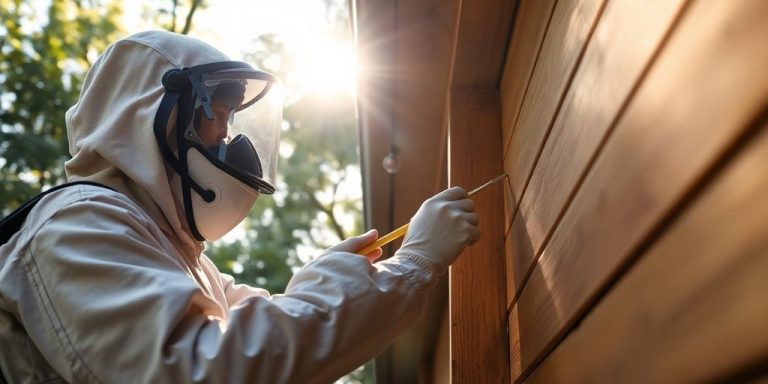
If you notice any of the above signs, it’s important to contact a pest control company for a thorough inspection. Early identification of termite colonies is crucial to prevent extensive damage.
Transition: Next, let’s look at what termite wall holes actually look like.
How do you identify a termite hole?
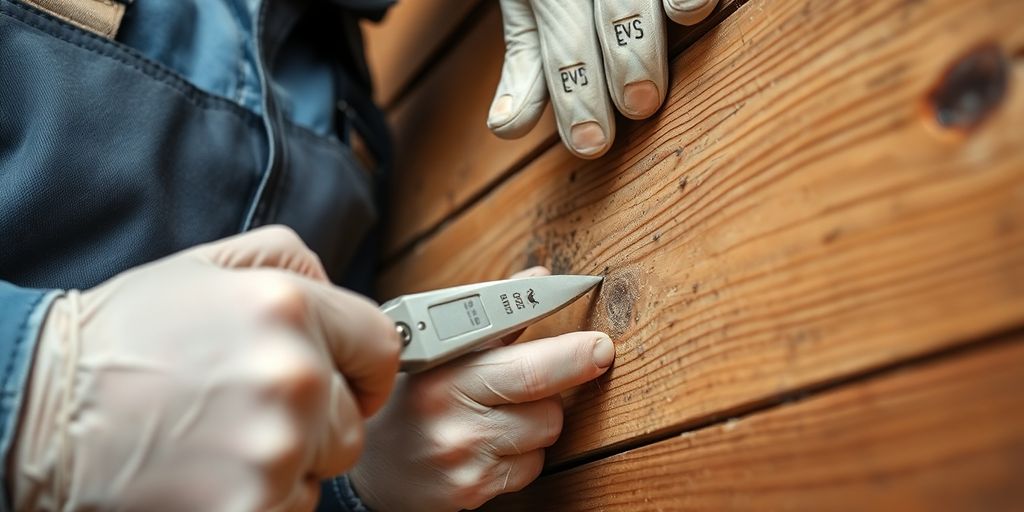
Step-by-Step: How to Inspect for Termite Holes
- Examine the Foundation and Baseboards:
Look for small, round pinholes or mud tubes along the foundation and baseboards. - Check Door and Window Frames:
Inspect for holes or cracks, as termite activity can weaken these areas. - Inspect Wooden Floors and Walls:
Look for cracks starting in the corners or places where floorboards are not attached. - Tap on Walls and Floors:
Listen for a hollow sound, which may indicate internal damage. - Look for Frass or Termite Dust:
Check for small piles of dust or pellets near holes or damaged areas.
What to Do If You Find Termite Holes
- Do not cover or patch the holes before a professional inspection.
- Contact a licensed pest control specialist immediately.
- Follow their recommendations for treatment and repairs.
Transition: Understanding how to identify termite holes is just one part of protecting your home. Next, let’s see how to distinguish termite damage from other types of pest problems.
Distinguishing termite damage from other issues
How to Tell Termite Damage Apart
Telling the difference between termite damage and other types of pest problems can be tricky, but it’s crucial for protecting your home from a termite infestation. While termites, carpenter ants, carpenter bees, and acrobat ants can all cause damage to wooden structures, each pest leaves behind its own unique signs.
- Termite Exit Holes:
Typically smaller than those made by other pests—usually about 1/8 inch in diameter—and often found in drywall, wood, or other materials. - Mud Tubes:
Subterranean termites create mud tubes or shelter tubes along exterior walls or foundations. - Drywood Termite Signs:
Drywood termites can infest furniture or other wooden structures directly, leaving behind tiny holes and piles of termite dust or feces. - Carpenter Ants and Bees:
Carpenter ants and acrobat ants tend to make larger holes in wood, and you’ll often find piles of frass, which looks like sawdust, near the damaged area. Carpenter bees drill perfectly round, larger holes into wood.
When to Seek Professional Help
If you suspect termites, look for:
- Small holes in drywall or wood
- Faint lines or tunnels on wooden surfaces
- Mud tubes on exterior walls
- Hollow sounds when tapping on walls or floors
- Termite feces and dust collecting near the damage
Regular termite inspections by a pest control specialist are the best way to catch an infestation before it spreads. If you spot tiny holes, mud tunnels, or suspect termites in your home, it’s important to act quickly. Termites can also infest furniture, especially if it’s made from wood or particle board, so keep an eye out for small holes or termite dust on these items as well.
Transition: By understanding the differences between termite damage and the damage caused by other pests, you can take the right steps to protect your home.
Summary: What Do Termite Holes Look Like in Drywall?
- Size: Small, typically 1/16 to 1/8 inch in diameter
- Shape: Round pinholes, often hard to spot
- Appearance: May be quickly filled by termites with a brown, plaster-like substance
- Additional Signs: Faint, winding lines or sunken trails beneath the paint
Why It Matters:
Early detection of termite holes in drywall can help you prevent extensive and costly damage to your property. If you notice any of these signs, contact a pest control professional right away to protect your home or building.