Dead ants on windowsill?
This guide explains why dead ants appear on your windowsill, what it means for your home, and how to address and prevent the problem. It’s designed for homeowners and renters concerned about pest control, property damage, and maintaining a healthy living environment. If you’re searching for answers about why you keep finding dead ants on your windowsill and what to do about it, you’re in the right place. Understanding the causes, solutions, and prevention strategies for dead ants on windowsills is crucial, as it can signal a potential infestation, risk of property damage, and even health concerns for your household.
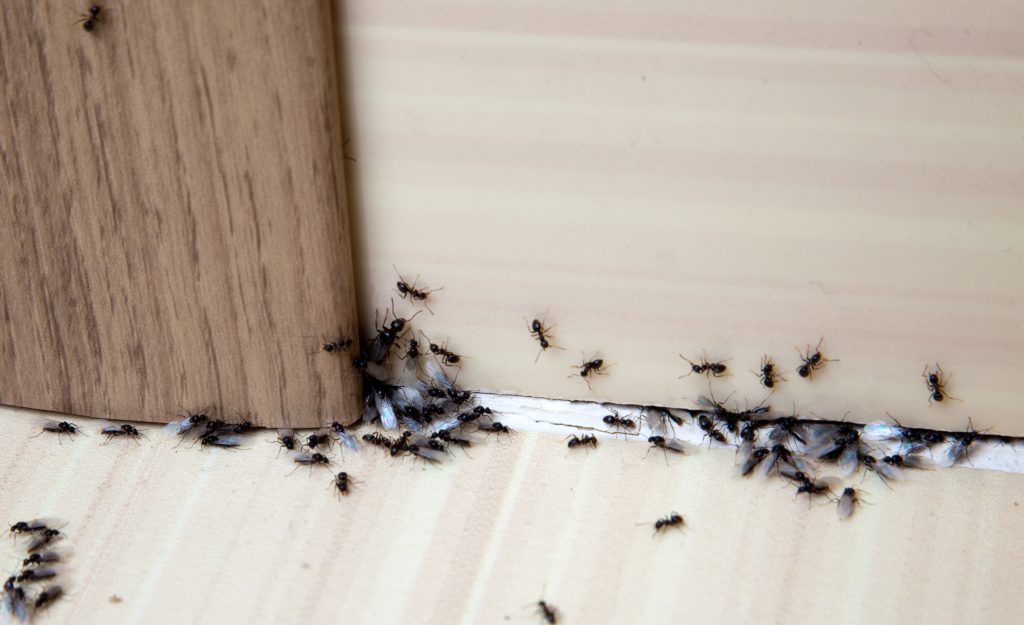
If you’ve got a house, or even a room, with a windowsill that’s covered in dead ants, well, it’s a problem. Dead ants on windowsills may indicate that they were poisoned elsewhere and died in that location, or that they died while searching for food or water. Ants may die and accumulate near windows after insecticide use because they are poisoned elsewhere and die as they attempt to exit or re-enter the nest. Ants may also die from environmental factors or disease, leading to their accumulation in certain areas like windowsills. Sometimes, ants gather their dead in piles or ‘graveyards’ on windowsills.
Necrophoresis is the act of ants carrying dead ants away from the nest to prevent disease or infection from spreading. When ants die, they release chemicals—specifically a bit of oleic acid—which produces a distinctive smell. Oleic acid is a chemical released by dead ants that signals to other ants that the body needs to be removed. This smell signals to other ants that the dead ant needs to be removed from the area, helping maintain colony hygiene and prevent the spread of pathogens.
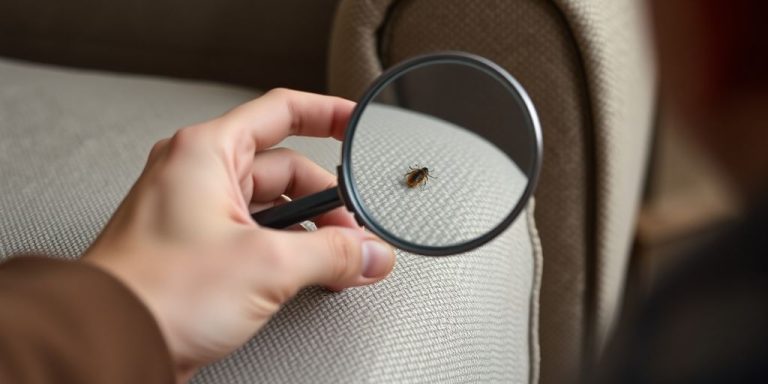
A dead ant can be an annoyance on a window sill. Not only does it look ugly, but it’s also a potential hazard. The question is, how do you remove a dead ant without disturbing the rest of the ants in the colony? Well, a recent study showed that ant colonies can survive even if a single ant dies. And this is no easy task. Dead ants can take up to 4 weeks to decompose and will attract other ants to join the colony.
You can’t easily get rid of them without first finding a way to kill ants. So you have to find a way to kill them without harming yourself. Locating the ant nest is crucial to effectively manage the infestation. As a former pest control technician, I’m used to dealing with the little critters. But if I were to take on this job, it would be my first time working as a general exterminator. And that means I’d need some tools. Many of these pest control tools are also effective against other bugs you might find indoors.
Why is there a pile of dead ants?
Ants have an impressive and efficient social structure. They share food, build nests, communicate, and even play games with each other. Finding a large number of dead ants on your windowsill is one of the signs that a colony may be nearby, especially if you haven’t used pesticides. The pile of dead ants is evidence of the ant colony’s hierarchy. Pheromone trails play a crucial role in guiding ants to food sources, initially appearing zigzagged as exploratory ants lay down pheromones, which later become more direct as the route is used frequently. Ants don’t live in large groups. Instead, they live in smaller groups. If you put ants into a new environment and watch them, the ones who don’t have a queen will die because they have no queen to guide them. The ants who have the queen and live in a larger group will move to another area if the food source gets low. If you put the ants in a small space, the ones with the queen will die first, because there is not enough food for all of the ants.
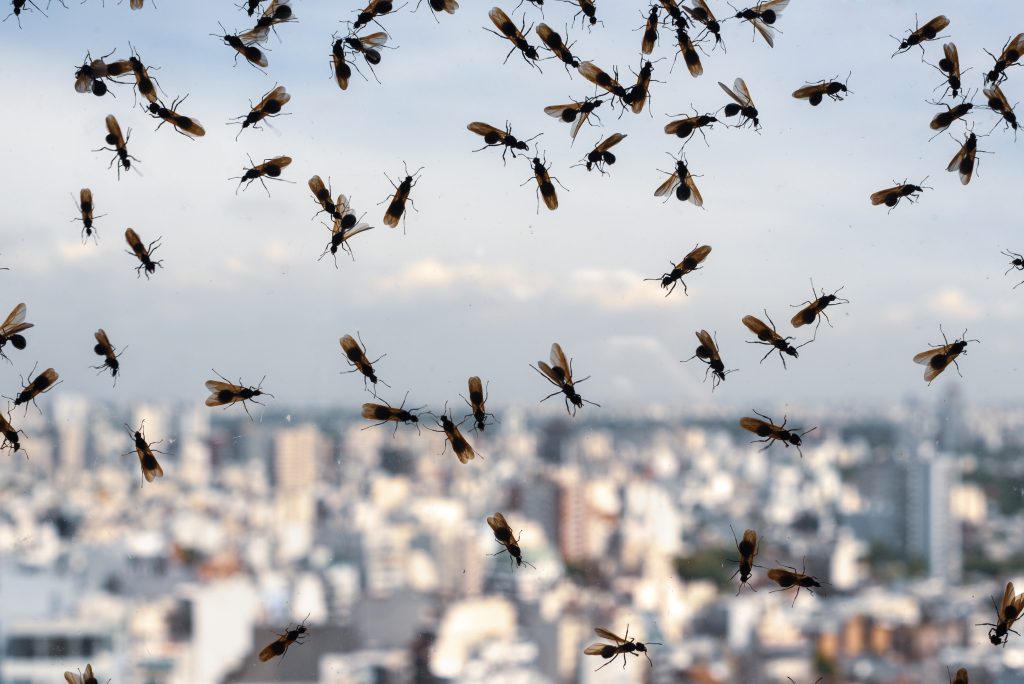
Ants often walk in a zigzag pattern when foraging for food, which can make it difficult to follow their trail back to the nest. Additionally, ants can disappear into places where it’s impossible to follow them, and while following their trail is possible, it is challenging due to their small size and ability to sneak into small spaces. The ants who have a queen will find more food than the ones who don’t have a queen. This means that they will be able to feed more of their family. All ants are born equal. If you look at an ant colony, you can see that they are organized in a hierarchical system. Each ant has a specific role. Trailing ants can be observed to track their movement back to their nests, although this process is complex due to their non-linear paths and evolving pheromone trails. Ants can build their colonies indoors within the walls of your home or outdoors, finding entry points to invade your home. Some ants help the others find food, while others guard the nest. The ones that don’t have the queen are expendable. If you don’t care for the colony, you can kill some of the ants and move them to another colony. There is nothing wrong with killing ants. But, if you are going to kill them, make sure that you don’t crush their heads.
Understanding why ants accumulate in certain areas helps us address how to prevent and remove them, which we discuss next.
Ant Behavior and Habitat
Ants are fascinating social insects, living in highly organized colonies where every member has a specific job. Understanding their behavior and habitat is key to tackling an infestation effectively.
Carpenter Ants and Window Frames
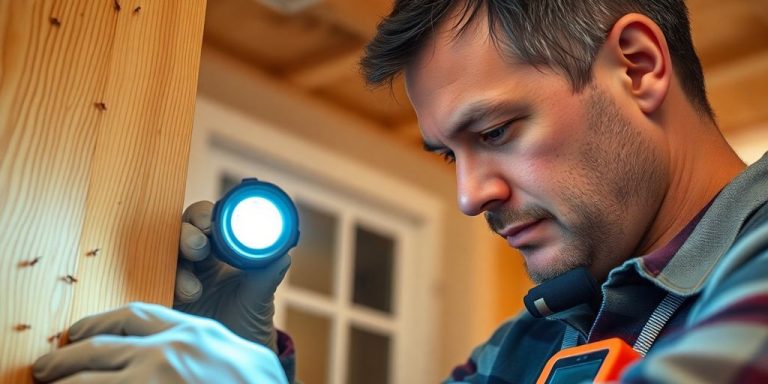
For instance, carpenter ants are notorious for nesting in wet wood, like window frames or sills, which can lead to serious structural damage if left unchecked. If you notice dead ants piling up on your window sill, it’s often a sign that an ant colony is nearby, possibly hidden within the walls or woodwork. Frass, which is a mixture of sawdust and insect parts, is often found near carpenter ant nests and is a strong indicator of their presence.
Pheromone Trails and Foraging
Ants are drawn to food residues, moisture, and sweet substances, making kitchens and bathrooms prime targets for their activity. Pharaoh ants, a common household species, are especially attracted to sugary foods and often hide in dark spaces such as behind appliances or inside wall crevices. These ants can be tricky to control because they split their colonies when threatened, making it even more important to target the entire colony rather than just the visible ants.
A key part of ant behavior is their use of pheromone trails. As ants forage for food, they lay down these chemical trails in a zigzag pattern, helping other ants follow the same path to a food source. This is why you might see lines of ants marching across your window sill or along the wall. Disrupting these pheromone trails is crucial—using a spray bottle with soapy water or a few drops of white vinegar can help kill ants on contact and erase their scent trails, making it harder for other ants to find the same spot.
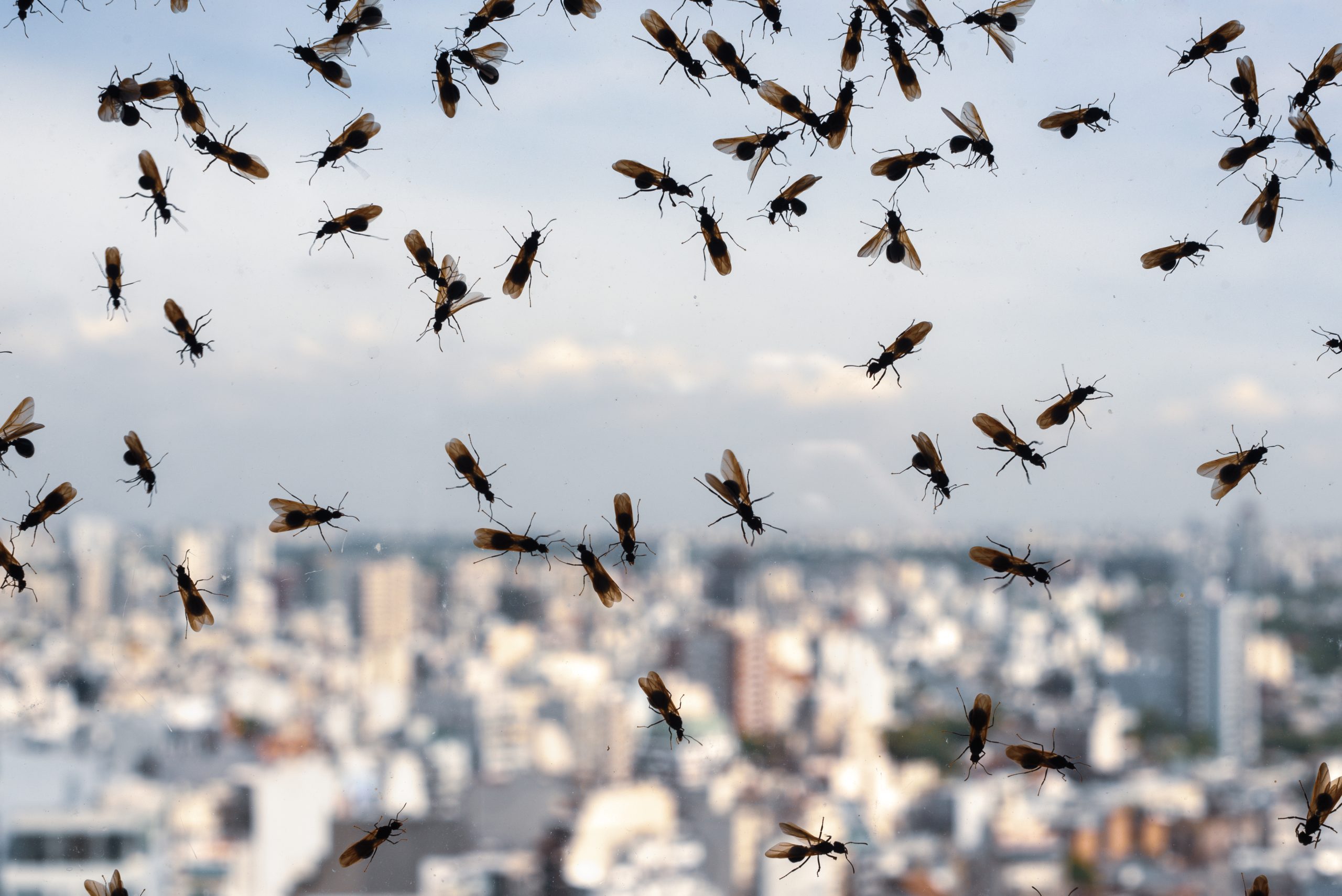
For more persistent infestations, ant traps and baits are effective tools, especially when placed where ant activity is highest. However, if you spot winged swarmers—ants with wings gathering near windows or doors—it’s a sign that the colony is mature and may be spreading to new locations. In these cases, it’s wise to call a pest control company to treat the entire colony and prevent further damage.
Besides ants, termites are another wood-destroying pest to watch out for. Like carpenter ants, termites are attracted to wood and moisture, creating hidden nests and tunnels that can compromise your home’s structure. Specialized pest control treatments, such as baiting systems or soil applications, are often needed to get rid of termites.
To keep ants and other pests at bay, store food in airtight containers, reduce moisture around your home, and seal up any entry points or small holes in window frames and walls. Regularly cleaning up food residues and using home remedies like black pepper or white vinegar can help repel ants. For ongoing protection, consider routine pest control measures, such as spraying or dusting, to keep your house free from unwanted insects and prevent future infestations.
Now that you understand ant behavior and where they might be hiding, let’s look at practical steps to get rid of ants in your window sills.
How do I get rid of ants in my window sills?
Ants tend to make their nests in places that they consider safe. Also, check common areas like kitchens and bathrooms for ant nests, as ants prefer these spots due to moisture and food access.
Prevention Tips
To keep the ants out of your home, it is important to keep the area where they live clean. Make sure to keep the ground and other areas clean and dry to prevent infestations.
- Store food in airtight containers.
- Reduce moisture around your home.
- Seal up any entry points or small holes in window frames and walls.
- Regularly clean up food residues.
- Use home remedies like black pepper or white vinegar to repel ants.
- Trim tree branches that touch your home, as they can serve as access points for ants.
- Inspect window frames, especially those with water damage, for signs of carpenter ants.
- Dispose of paper products properly.
- Check for and seal any cracks in the walls of your house.
- Use ant bait traps (commercial or DIY mixtures like honey combined with boric acid).
- Use a honey and peanut butter test to lure ants out and observe their trail to locate nests or entry points.
- Locate and close any nearby outdoor anthills to prevent indoor infestations.
They love to stay near standing water and use it to help them to raise their young. Don’t forget to check all of your window sills and your door jambs. Inspecting window frames is also crucial as carpenter ants can infest these areas. Window frames, especially those with water damage, are favorite nesting spots for carpenter ants, and carpenter ants often nest in the wall under a window frame. If you are using paper products, make sure that you throw them away in a garbage can. Once you are done cleaning, you should put everything back in the same place. Remember to follow all the directions carefully. After that, you should check to see if any cracks are present in the walls of your house. Ants like to enter houses through small openings, so make sure that you seal up any cracks that you find. Inspecting for entry points and sealing them can help prevent ants from entering your home. After that, spray some insecticide around your house. Tree branches can serve as access points for ants, so ensure they are trimmed and not touching your home. They will not be able to survive in an area that has been sprayed with insecticide. You can also use ant bait traps to trap them; bait options include commercial products or DIY mixtures like honey combined with boric acid. Using a honey and peanut butter test can help lure ants out and allow you to observe their trail to locate nests or entry points.
If you notice outdoor ant activity, try to locate any nearby anthill and close entry points to prevent indoor infestations.
If you encounter ant nests or ant species in your home consider contacting a local exterminator to seek out and eliminate the carpenter ant colony thus reducing the ant activity. For severe infestations, contacting a professional pest management service is recommended.
Taking these steps will help you control and prevent ant problems, but what should you do about the dead ants you find? Let’s discuss cleaning up dead ants next.
Should I clean up dead ants?
Many people don’t like cleaning up dead animals. This is one of those jobs that are too much for some people. So, they just leave them in the place where they died. Others, however, feel that it is a responsibility to clean up dead animals and insects. Some of the people who clean up dead insects and animals do so as a hobby. This is a great way to get some exercise and get into nature. You might find some unusual insects and animals that you might not see anywhere else.
Humans play a significant role in influencing ant behavior, as our living environments can attract or deter ant colonies, and maintaining good hygiene is crucial in preventing infestations. Keeping your house clean and storing food properly in airtight containers can help deter ants from entering your home. Using home remedies like vinegar sprayed in areas of ant activity can help repel ants, and sealing gaps and entry points in your home is important to prevent them from getting inside.
Cleaning Methods
Cleaning up dead ants is a good thing to do. Carpenter ants can infest window frames, especially in older structures where water damage is prevalent. It is important to remember to clean up after yourself. Also, it is important to keep your room clean. You can easily get sick by not cleaning your home. In addition, you need to be sure that you keep your kitchen and bathroom clean. Ants can carry deadly diseases. If you want to clean your home, follow these steps:
- Vacuum or sweep the floors to remove dead ants and debris.
- If there is a lot of dust, vacuum the carpet thoroughly.
- Use an insect spray to kill any remaining ants, spiders, or wasps, especially in their nests.
- Clean all surfaces in your house, including clothes, bed sheets, towels, and other items.
This will help you to keep your home healthy. We hope these steps will help you resolve your dead ants on windowsill problem and keep your home pest-free.
Now that you know how to clean up dead ants, let’s look at the specific risks posed by carpenter ants and their colonies.
Carpenter ants create carpenter ant colonies
Carpenter ants are a common household pest that can cause significant damage to homes and buildings. The queen ant is the largest and most important member of the colony, responsible for laying eggs and ensuring the survival of the colony. A carpenter’s ant infestation can be difficult to detect at first, as the ants are skilled at hiding their nests within the wood of a structure. However, if left unchecked, an infestation can quickly grow and cause significant damage to the wood in a home or building which can cause thousands of dollars in damages. Frass, which is a mixture of sawdust and insect parts, is often found near carpenter ant nests and is a strong indicator of their presence. It is important to address a carpenter ant infestation as soon as possible to prevent further damage and ensure the health and safety of the structure.
Understanding the risks of carpenter ants helps you recognize when it’s time to call in professional help, especially if you see signs like frass or soft, damaged wood.
Why do I have a bunch of dead ants in my house?
Many people don’t know that ants are living creatures. You can actually find some very interesting facts about them on the Internet. You can use them to build your own home. These ants are great for your garden because they will clean up all the dirt around your plants. They also help to prevent the spread of diseases by destroying the insects that can carry diseases. But, you should be careful when you are using ants. Don’t leave them in your home because they might attack other animals or people. They can cause problems for you and your family.
Dead ants are really annoying. They don’t make much noise when you step on them, but they can bite you. The best way to get rid of ants is to call your local exterminator. He can come to your house and kill the ants. However, don’t forget to have him clean up after himself. It is crucial to locate the ant nest, both indoors and outdoors, to effectively manage the infestation. There are some ants that can be toxic to people. Make sure he knows this so that he doesn’t leave toxic ants behind.
Summary: What to Do If You Find Dead Ants on Your Windowsill
If you find dead ants on your windowsill, it may indicate a nearby colony, previous insecticide use, or environmental factors. To address the issue:
- Clean up dead ants promptly.
- Locate and eliminate the nest using bait traps.
- Seal entry points such as cracks around windows, doors, and pipes.
- Maintain cleanliness by storing food in airtight containers and reducing moisture.
- For severe infestations, contact a professional pest management service.
By following these steps, homeowners and renters can effectively manage and prevent ant problems, protect their property from damage, and maintain a healthy living environment.