Bed Bugs in Oklahoma City: How to Confirm Them and What Actually Gets Rid of Them
Most people find out they have bed bugs one of two ways. They wake up with a line of itchy bumps, or they flip a mattress and see something small and brown crawl into a seam. Neither one is proof yet. Plenty of bugs look like bed bugs, and plenty of rashes look like bites. So before you throw out a couch or book a treatment, confirm what you’re dealing with.
What follows is drawn from Oklahoma State University Extension and the U.S. Environmental Protection Agency, with local details for houses and apartments around Oklahoma City, Edmond, Norman, Moore and Tulsa. The steps work the same anywhere in the state.
Step one: get the bug identified
OSU Extension’s bed bug fact sheet is blunt about this. The first thing to do is have the insect identified. Catch one and put it in a sealed container, or a small vial of rubbing alcohol so it can’t escape. Then take it to your county OSU Extension office. In the metro that means the Oklahoma County office for OKC and Edmond, the Cleveland County office for Norman and Moore, and the Tulsa County office for Tulsa and most of Broken Arrow.
Why bother? The EPA points out that carpet beetles and other small insects are easy to mistake for bed bugs. Treating the wrong pest wastes money and gives a real infestation more time to spread.
Why bites alone don’t tell you much
The EPA calls bites “a poor indicator” of bed bugs. Bed bug bites can look like mosquito or chigger bites, eczema, a fungal rash or hives. Some people don’t react to them at all, so one person in a bed can be covered in welts while the other has nothing.
Look for physical signs instead. They’re more reliable.
What to look for
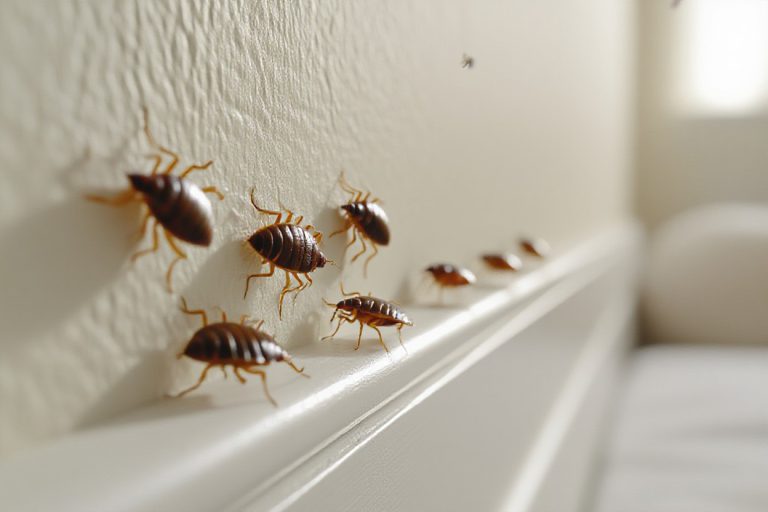
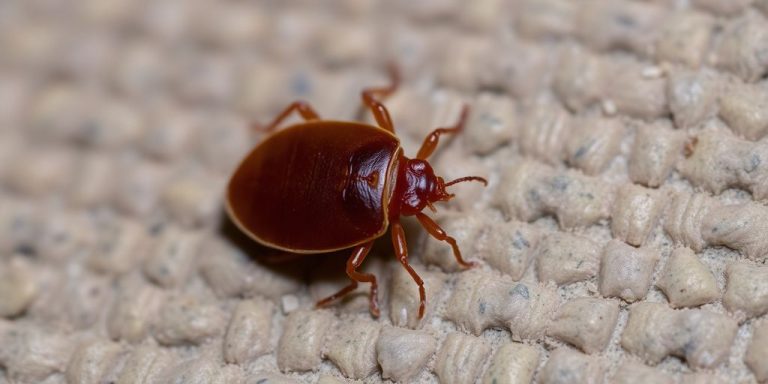
Adult bed bugs are flat, oval and reddish brown, roughly the size of an apple seed. When you change the sheets or check a hotel bed, the EPA suggests looking for:
- Rusty or reddish stains on sheets or the mattress, from bugs that got crushed.
- Dark spots about the size of a period on this page. That’s bed bug droppings, and it bleeds into fabric the way a marker does.
- Eggs and eggshells, about 1 millimeter long, plus the pale yellow skins young bugs shed as they grow.
- Live bugs.
Where they hide
Start at the bed. The EPA lists the piping, seams and tags of the mattress and box spring, and cracks in the bed frame and headboard, as the usual spots. In a heavier infestation they spread out to couch seams and cushions, curtain folds, drawer joints, outlets, loose wallpaper and picture frames, and the line where the wall meets the ceiling.
A good rule from the EPA: a bed bug is about as thin as a credit card. If a crack can hold a credit card, it can hold a bed bug.
They also don’t stay right under you. The EPA says bed bugs will travel 5 to 20 feet from their hiding spots to feed. They’re mostly active at night, but a hungry one will come out in daylight. If you’ve seen one on a wall in the middle of the afternoon, that fits. We cover that in more detail in Do Bed Bugs Crawl on Walls During the Day?
Don’t start throwing things out
This is the mistake that costs Oklahoma families the most. OSU Extension says you don’t need to throw everything away, because most belongings can be treated and saved. Tossing a mattress or couch is expensive and stressful. Dragging it through the hallway or out to the curb can also spread bugs to the rest of the building, or to whoever picks it up.
OSU also makes a point worth repeating: there’s no reason to be embarrassed. Bed bugs aren’t a sign of a dirty house. Any home can get them, including very nice and very expensive ones. They ride in on luggage, used furniture, backpacks and coats.
What actually works
The short version from OSU Extension: no single method is likely to wipe out bed bugs on its own. It takes a combination, starting with inspection and ending with careful pesticide use by a pest management professional. Here’s how the pieces fit together.
Inspect thoroughly
Check the bed, box spring and headboard, behind pictures, and any chairs or couches people sit on a lot. OSU warns that a proper inspection takes a long time. A flashlight and a putty knife or old credit card for working along seams make it easier.
Cut the clutter
Clutter isn’t the cause, but it gives bed bugs more places to hide and makes treatment harder. OSU notes that bed bugs can hide in the tiniest spots even in the cleanest rooms, so decluttering helps but doesn’t fix it alone.
Encase the mattress and box spring
OSU recommends encasements made to seal mattresses and box springs against bed bugs. They do two jobs. They trap the bugs already inside, and they keep new ones from settling into the mattress. Buy encasements labeled for bed bugs, not a basic dust cover with a loose zipper.
Use heat on what you can
Bedding, clothes and other washable fabric can go through a hot wash and a long, hot dryer cycle. Follow the care label for the hottest setting the fabric can take. Bag items before carrying them to the laundry room so you don’t drop bugs along the way.
Leave the pesticides to a licensed pro
OSU’s advice to homeowners is to contact a qualified pest management professional, and it specifically says not to self-treat an infestation. In Oklahoma, anyone doing pest control for pay has to be licensed by the Oklahoma Department of Agriculture, Food and Forestry. Ask to see the license before anyone treats your home.
Home remedies that don’t work
If you’ve searched “how to get rid of bed bugs without an exterminator,” you’ve seen the lists. OSU Extension calls out two popular ones by name. Mothballs, and dryer sheets tucked between the mattress and box spring, do not work. OSU goes further and says home remedies often lower your chances of getting control and can make the problem worse.
Bug bombs (total release foggers) are another common DIY move. The EPA says a fogger should never be your only bed bug treatment. The spray has to touch the bug to kill it, and it doesn’t reach the cracks and seams where bed bugs spend the day. Used wrong, foggers can also start a fire or cause an explosion. The EPA’s tip is to use only as many as the label calls for, because more is not better.
If you rent in OKC, Norman or Tulsa
OSU’s guidance for renters is simple: tell your manager right away. Then work with the property manager and their pest control company on a plan that combines chemical and non-chemical steps. The EPA notes that how well treatment works depends partly on whether your neighbors have bed bugs and whether everyone in the building takes part. In an apartment complex, one unit can’t fix it alone. The faster you report it, the smaller the job.
Keeping them from coming back
Most new infestations ride in. A few habits help.
- After travel: check the hotel bed seams and headboard before you unpack. Keep luggage on a rack or in the bathtub, not on the bed. When you get home, unpack straight into the washer.
- Used furniture and thrift finds: inspect seams, joints and the underside before anything comes inside. OSU Extension has a separate fact sheet on lowering your risk while thrift shopping. Mattresses and upholstered pieces from the curb are the riskiest.
- Encasements stay on: leave them on after treatment. Any bugs sealed inside stay trapped, and a light-colored encasement makes new activity easier to spot.
Getting help in the Oklahoma City area
For an ID, your county OSU Extension office is the right first call, and it’s free. When you’re ready for treatment, use a company licensed by the state. BugDaddyOK is an Oklahoma pest information blog connected to Flatline Pest Control, a licensed Oklahoma pest control company that treats bed bugs. Whoever you hire, ask how they’ll inspect, what follow-up visits are included, and what you need to do to prepare. The EPA notes that very few infestations are cleared in one treatment, so plan for more than one visit.
Related Oklahoma pest guides
- Termites in Oklahoma City and Tulsa: swarm season, signs and treatment
- Brown recluse and black widow spiders in Oklahoma
- Mice and rats in Oklahoma City homes
- Bed bugs in carpet vs. hardwood floors
Sources: Oklahoma State University Extension, “Help! I Think I Have Bed Bugs!” (T-4419); U.S. EPA, How to Find Bed Bugs, Do-it-yourself Bed Bug Control and Should I Use a Fogger?